


Pharmaceutical/Chemical/New Materials

TEL:18925129293


Adhesive material
日期:2023-06-01作者:SIENOXSIENOX Adhesive Material Solution
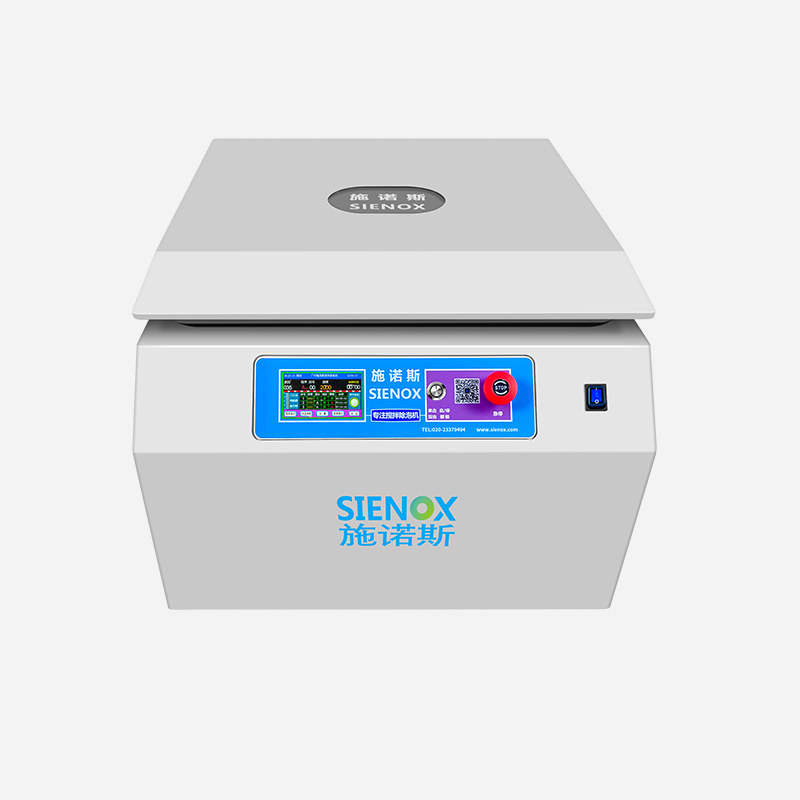
Equipment Used: Vacuum Stirring Defoaming Machine
Equipment Model: SIE-MIX90
Sample Provider: *** New Materials
Test Conditions
Stirring Speed: 1900 rpm
Stirring Time: 5 minutes
Comparison Chart of Stirring Before and After
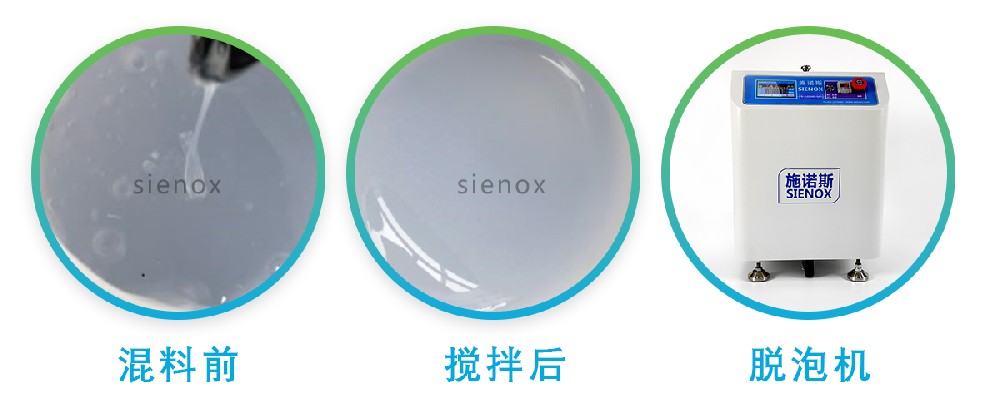
Sienox boasts over 1800 cases of powder material stirring and defoaming, available for sample testing
Glue materials are important substances widely used across various industries, with their adhesive properties directly influencing the performance and appearance of products. However, during the preparation process, bubbles often form in the glue, affecting its performance and quality. To address this issue, the vacuum stirring defoaming machine has emerged.
Glue materials find extensive applications in the following industries:
1. Packaging Industry: Glue is used for bonding cardboard, cartons, packaging boxes, etc., providing a more robust packaging and sealing effect.
2. Construction Industry: Glue is employed for bonding building materials such as wood, tiles, flooring, etc., to enhance the stability and durability of the building structure.
3. Automotive Manufacturing Industry: Glue is used for bonding automotive components like body panels, windshields, bumpers, etc., to improve the overall performance and safety of vehicles.
4. Electronics Industry: Glue is used in the assembly of electronic products, such as fixing and encapsulating circuit boards and electronic components, providing stable electronic connections and protection.
5. Furniture Manufacturing Industry: Glue is used for bonding furniture, including the assembly of wooden furniture and the bonding of decorative panels, enhancing furniture stability and aesthetics.
The vacuum stirring defoaming machine plays a crucial role in the glue materials industry, bringing the following benefits:
1. Bubble Removal: The vacuum stirring defoaming machine effectively removes bubbles from the glue through mechanical stirring and vacuum suction, ensuring a more uniform and stable adhesive, thus improving bonding effectiveness and quality.
2. Uniform Mixing: The machine thoroughly mixes the components in the glue, ensuring even distribution of additives and materials, thereby enhancing the performance and consistency of the glue.
3. Increased Production Efficiency: The machine can rapidly and uniformly stir the glue, significantly improving production efficiency and saving time and labor costs.
4. Cost Reduction: By addressing bubble issues in the glue preparation process, the vacuum stirring defoaming machine reduces waste and material usage, ultimately lowering production costs.
Glue materials play a vital role in industries such as packaging, construction, automotive manufacturing, electronics, and furniture manufacturing. As a key equipment in the glue materials industry, the vacuum stirring defoaming machine removes bubbles, achieves uniform mixing, improves production efficiency, and reduces costs. Therefore, the machine holds significant application value and importance in the glue materials industry.
相关推荐
Powdered Materials
liquid materials
paste material
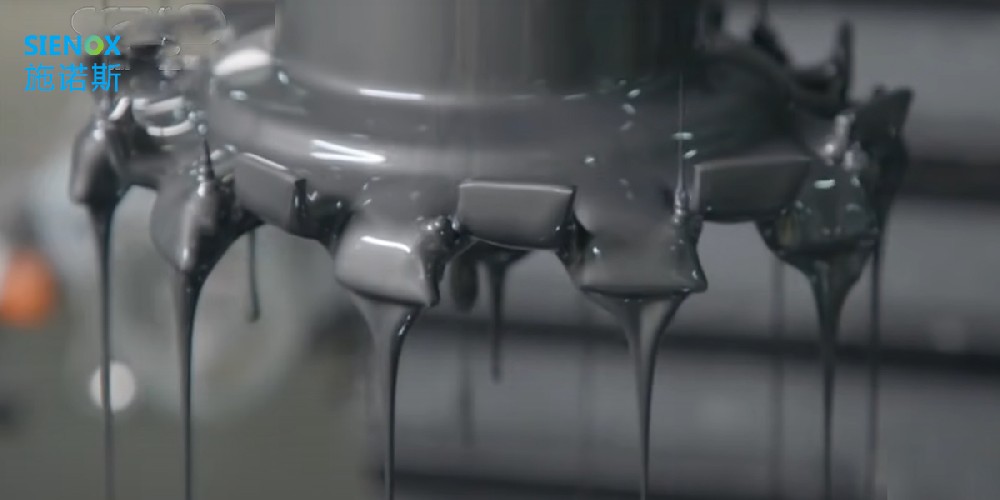
Battery Slurry
也许您还需要....
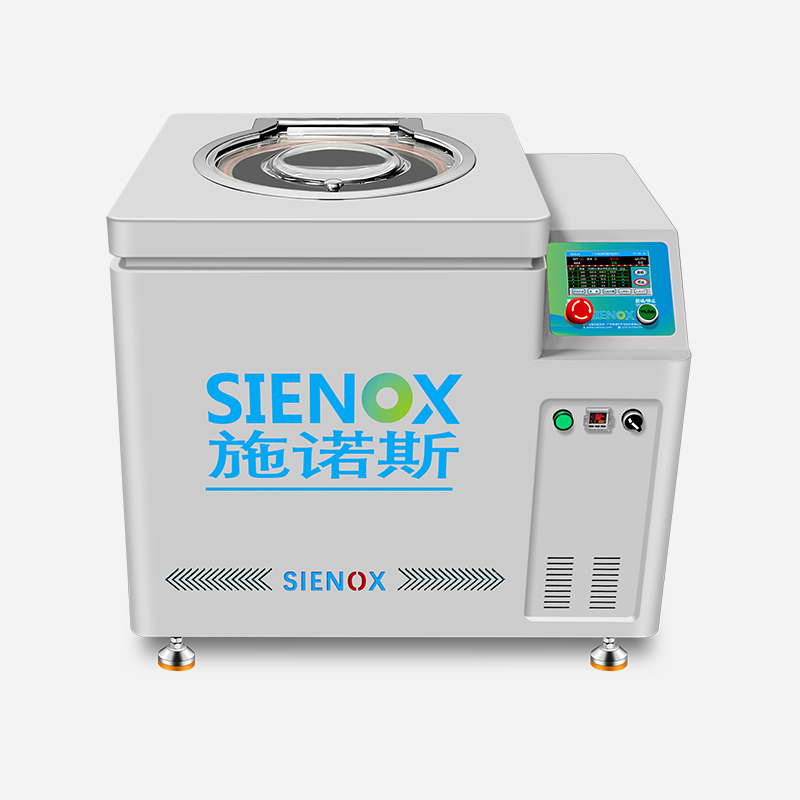
真空脱泡搅拌机 SIE-MIX1000plus 公转自转脱泡机
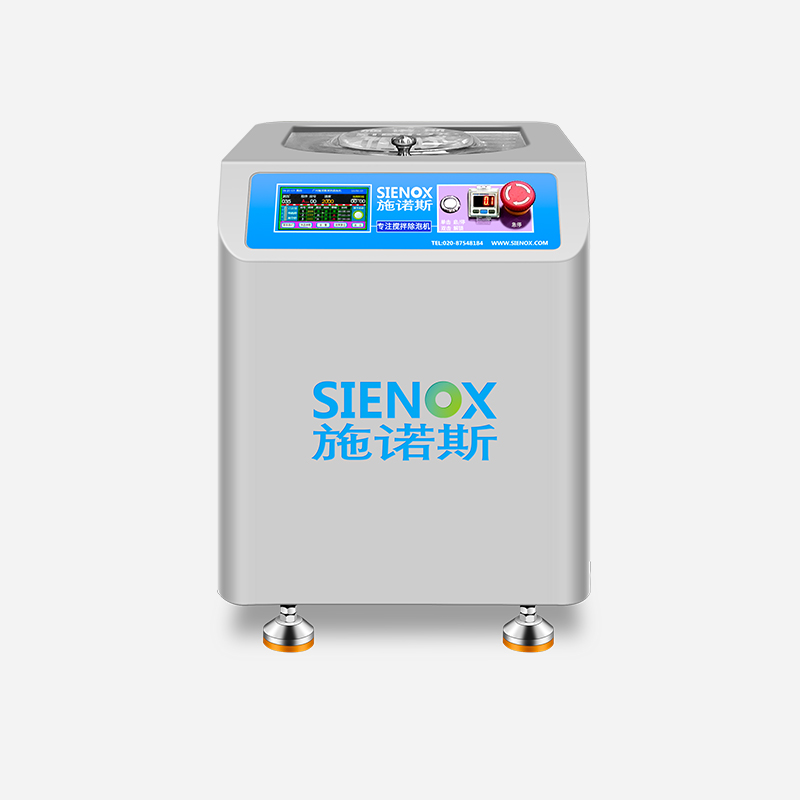
真空脱泡搅拌机 MIX60-施诺斯点胶材料气泡解决方案
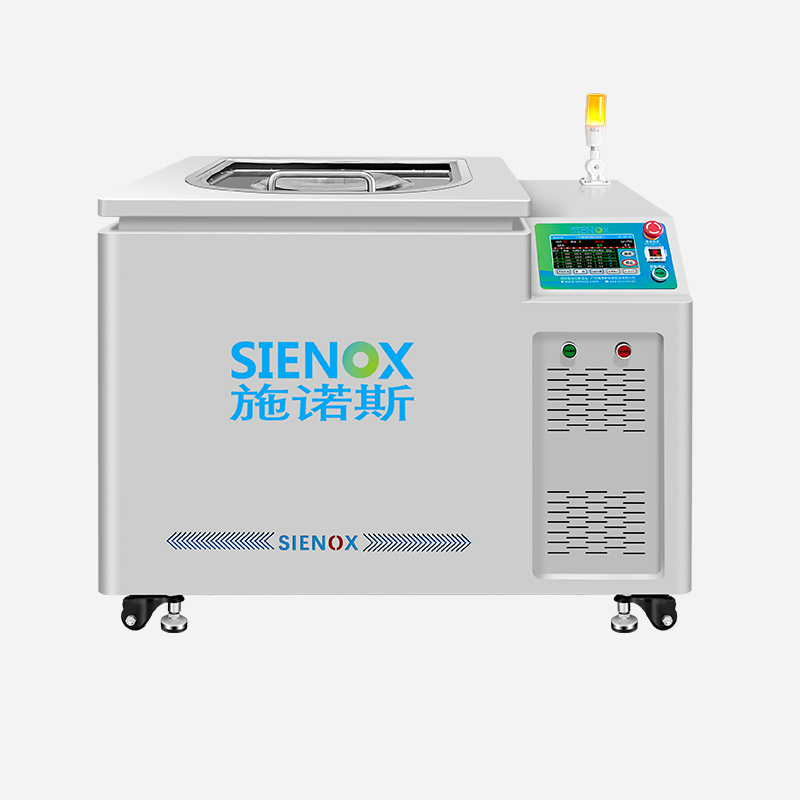
大容量真空搅拌机 SIE-MIX2000 行星式搅拌脱泡机
针筒脱泡机SIE-VH350 ,满足0-300CC脱泡需求
About SIENOX
20年脱泡机设备研发与生产的源头厂家
超过1800种材料脱泡案例
纳米级脱泡,满足不同材料多段搅拌除泡需要,支持定制
资质齐全,荣获多项国家专利,联系我们可免费试样与试机
Contact
Miss Liu
18925129293
info@sienox.com