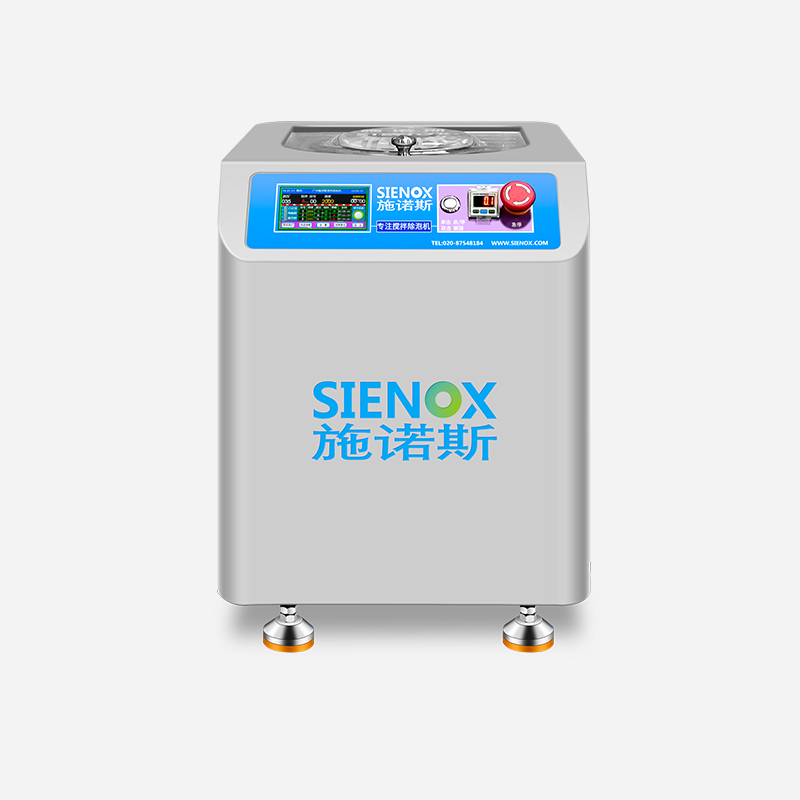


Resin Degasser

TEL:18925129293


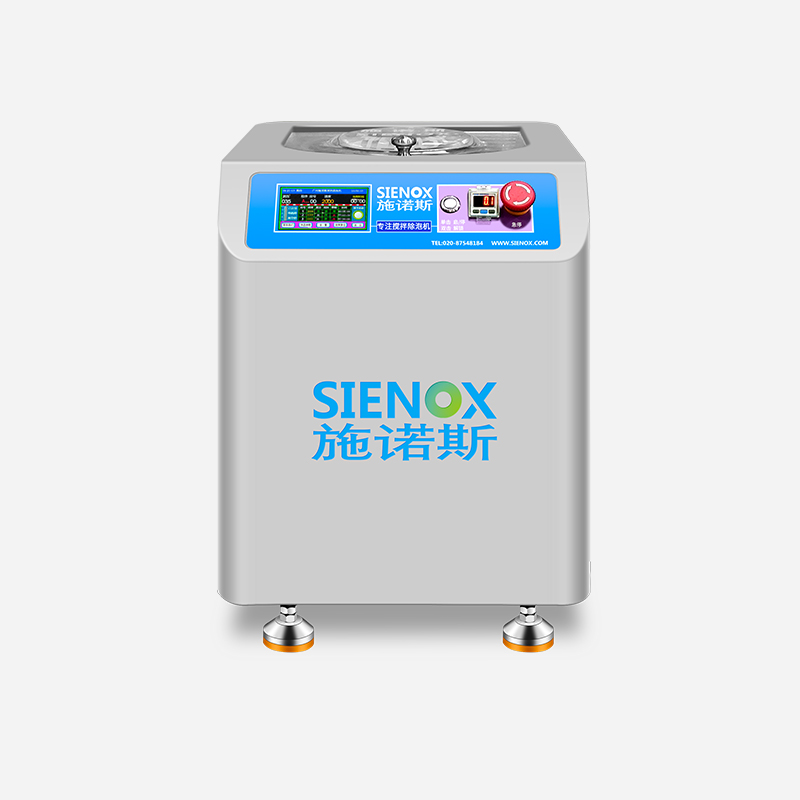
UV Resin Defoaming Machine
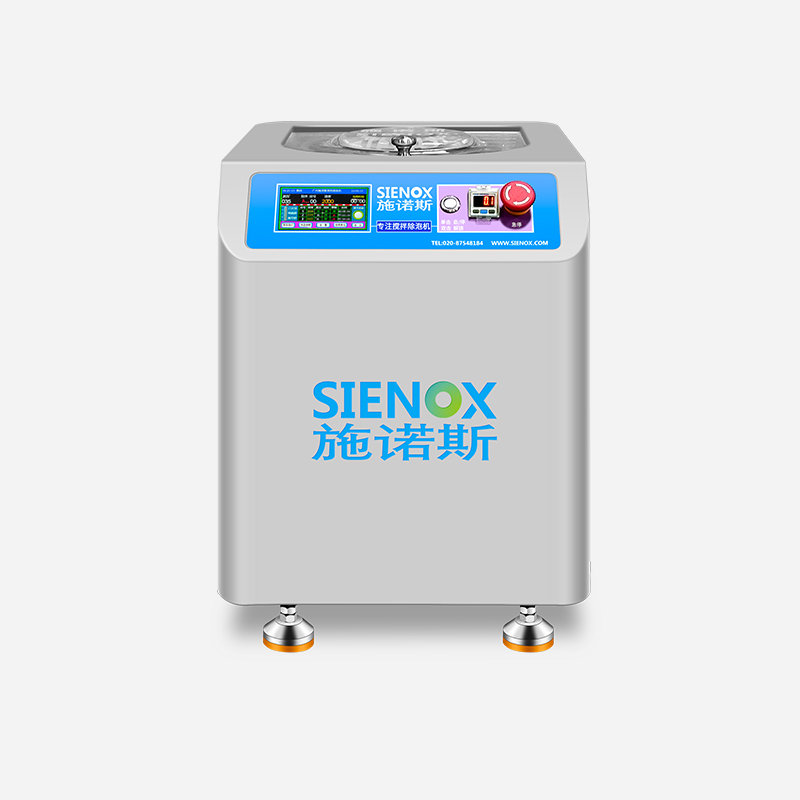
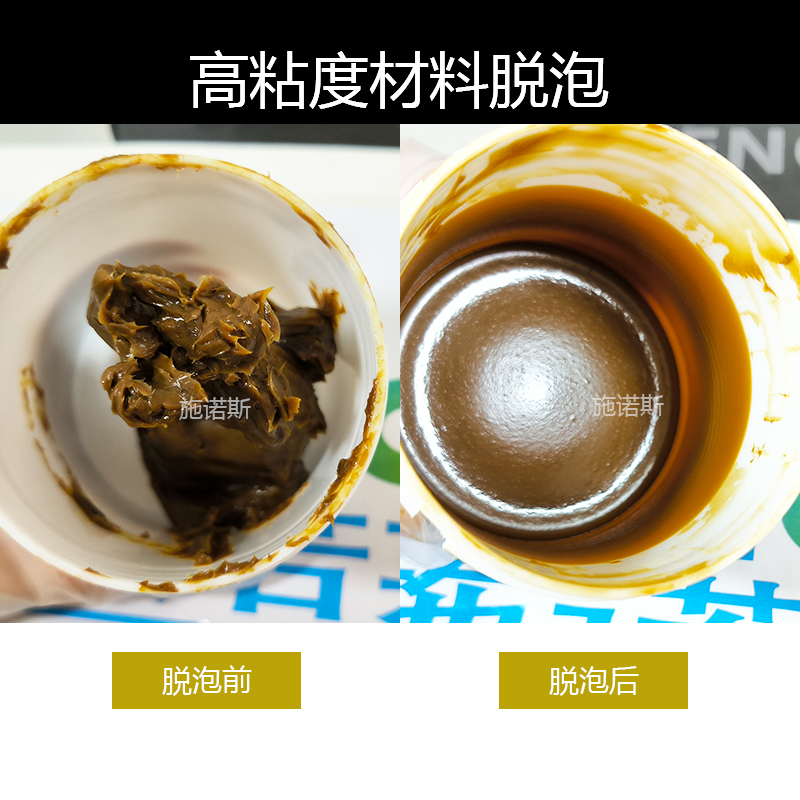
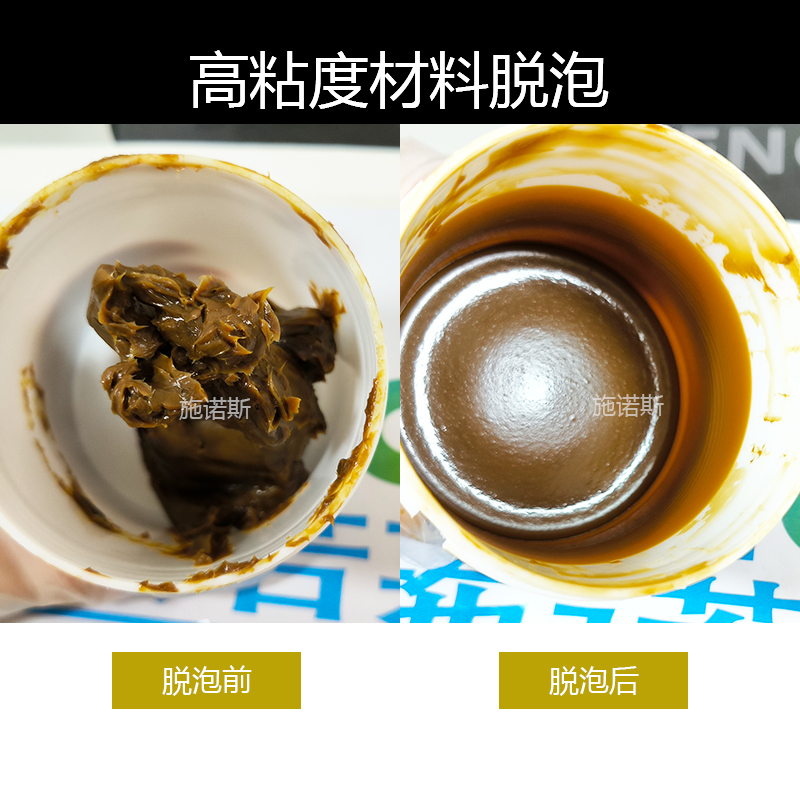
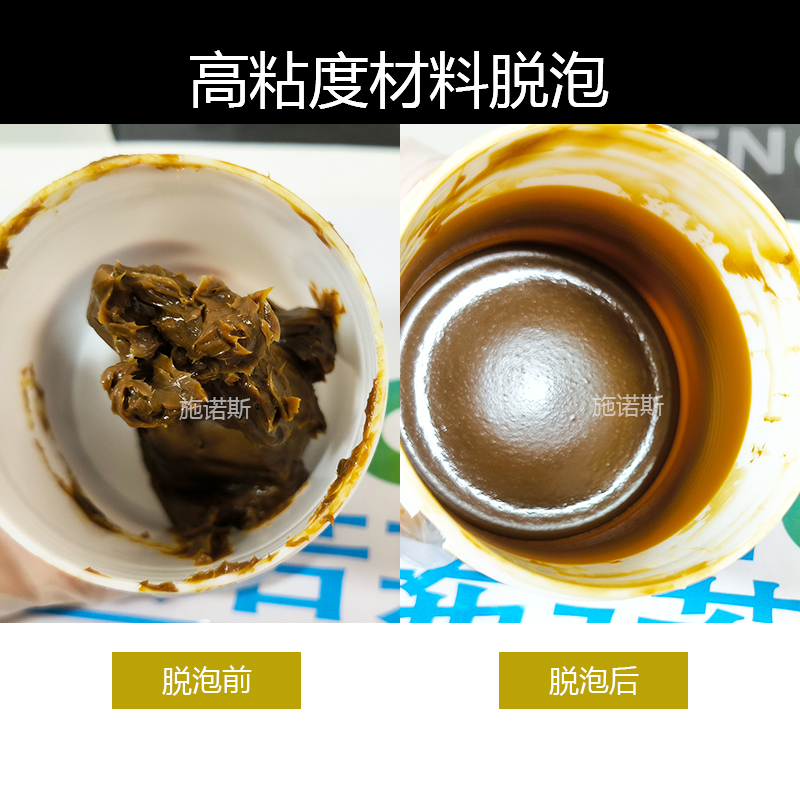
Eliminate Bubbles in UV Resin and Photosensitive Adhesive Before Curing · High Transparency Without Pinholes, Non-hazy Light Transmission
Low-speed Vacuum Mixing Without Temperature Rise · One-time Complete Removal of Microbubbles · Stable Reproducibility from Milliliter-scale Sampling to Mass Production
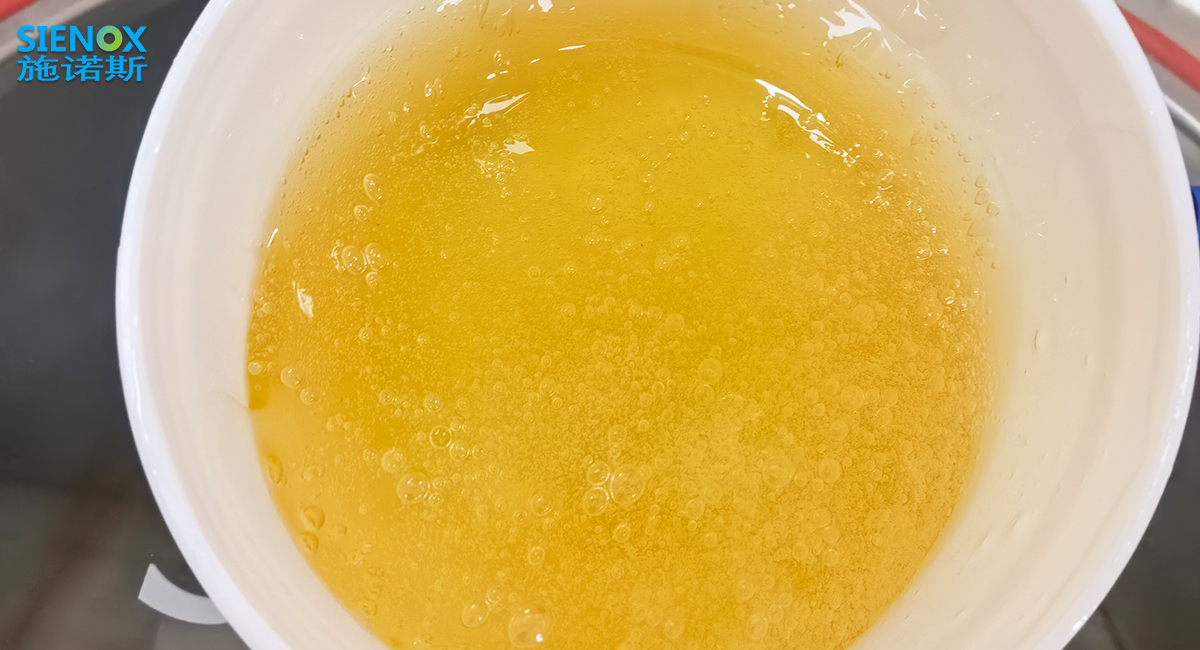
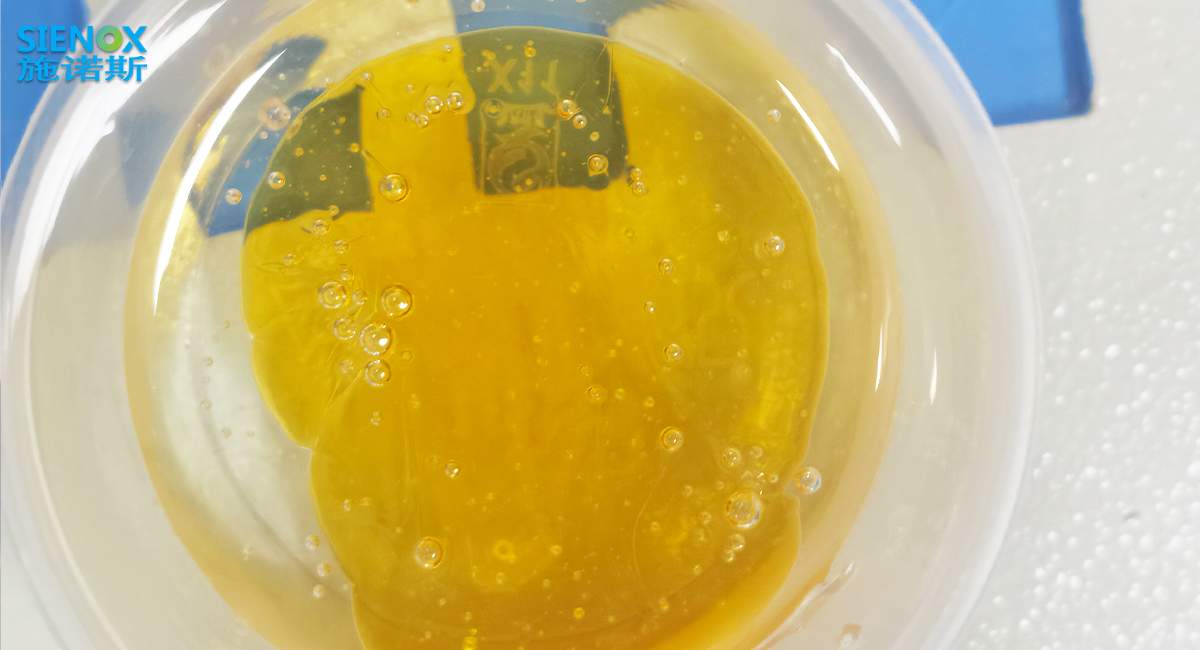
SIENOX UV resin defoaming solution targets microbubbles trapped in photosensitive resin, UV adhesive and optical coatings during batching. It adopts low-shear vacuum defoaming to expand and float microbubbles for one-time thorough removal, without generating shear heat or causing premature curing, meeting the purity requirements of optical-grade transparent materials.
✓ CE Certification ✓ ISO9001 Quality System ✓ RoHS Compliance ✓ Custom Voltage Available (110V/220V)
Why UV Resin Defoaming Machine Is Required
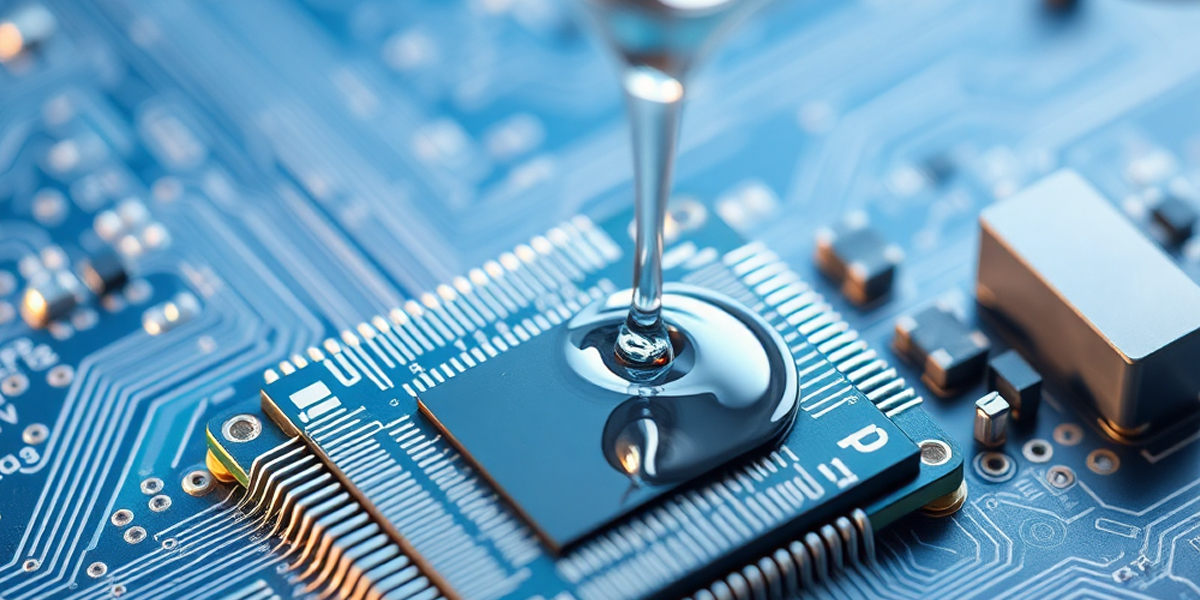
Bubbles entrapped after mixing UV resin are a major threat to potting reliability.
Optics & Display IndustryOptical UV adhesives, light-guiding coatings and screen OCA laminating adhesives demand high transparency. Microbubbles are highly visible under light transmission, directly reducing light transmittance and ruining appearance. Bubble sites also lead to local adhesive shortage and weakened bonding strength. Properly defoamed adhesive layers are clear without white spots. | UV Coating & Ink IndustryBubbles trapped in UV coatings, UV inks and varnishes before curing will form pinholes and craters after curing, impairing coating flatness and protective performance. Vacuum defoaming delivers dense and uniform coating surfaces. | Photosensitive Resin & 3D Printing IndustryPhotosensitive resins and UV-curable 3D printing materials require high transparency and uniformity. Air entrapment during batching and stirring degrades the dimensional accuracy and surface quality of printed parts. Stable defoaming shall be performed under light-shielded and low-temperature conditions. |
✨ Traditional Dilemma: Microbubbles are introduced during manual stirring; conventional mixing generates heat and causes partial thickening of UV adhesive. Static settling has limited effect on microbubbles in low-viscosity materials. Hence, a defoaming method featuring low temperature, low shear and vacuum is required.
Why Choose SIENOX UV Defoaming Solution
SIENOX MIX series serves as the ideal defoaming equipment for epoxy potting from R&D to mass production.
Low Shear Without Heat GenerationNon-contact centrifugal mixing operable at low speed generates minimal heat, preventing premature curing or thickening of UV resin caused by shear heat during defoaming. | Complete Microbubble Removal Under VacuumNegative pressure of −98 kPa expands and lifts microbubbles inside transparent adhesives for one-time thorough removal. The adhesive surface remains clear without white spots, satisfying optical-grade transparency requirements. | Reproducible FormulasTouchscreen stores 100 sets of formulas for one-click recall of optical material batching. C series supports milliliter-scale sampling, while MIX series enables seamless scale-up to mass production. |
✨ The MIX60 integrates three core capabilities: deep vacuum defoaming, precision small sample processing, and reproducible process parameters. It is an ideal device for laboratory R&D requiring vacuum-assisted defoaming.
Equipment Supporting Description
SIENOX A/B adhesive defoaming solution can be combined with other equipment to form a complete potting process chain.
Supporting Process Chain of Equipment Batching & Weighing → Vacuum Mixing & Defoaming → Light-shielded Casting / Dispensing → UV Curing. For high-demand optical components, RX pressurized fine defoaming can be adopted for secondary bubble removal after primary defoaming. | 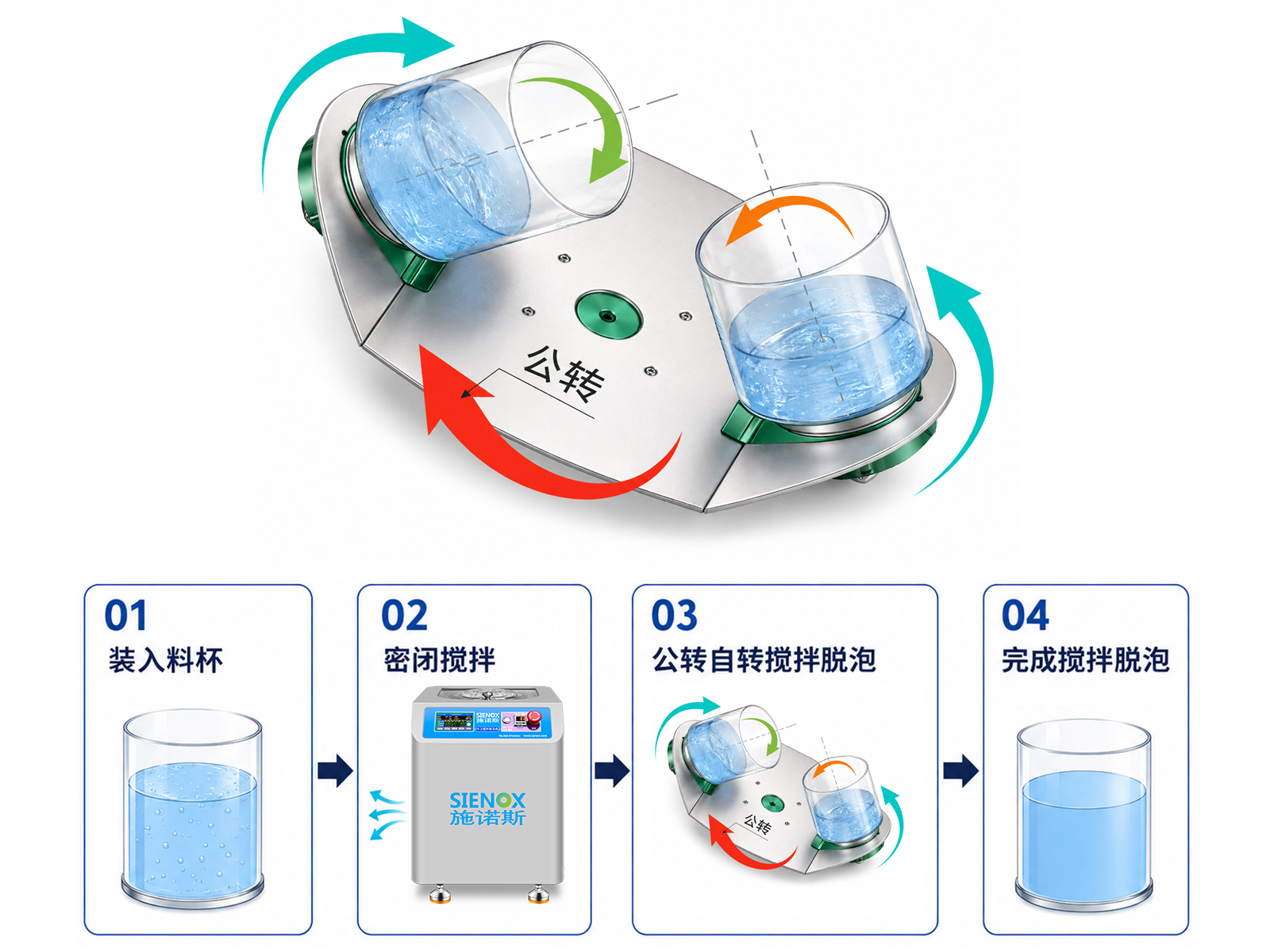 |
Specifications & Parameters
Selection Guide
| UV Resin Type | Typical Viscosity | Recommended Defoaming Method | Recommended Equipment |
| Photosensitive Resin Sampling | Low Viscosity | Centrifugal Defoaming | C Series |
| Optical UV Adhesive / Light-guiding Coating | 500-5000cP | Vacuum Defoaming / Low-speed Vacuum Mixing | ZK Series / MIX60 |
| UV Ink / Varnish | Medium Viscosity | Vacuum Mixing & Defoaming | MIX Series |
| Mass Production of Optical Adhesive | Medium Viscosity | Vacuum Mixing & Defoaming | MIX1000plus |
| High-transparency Optical Components | Low-Medium Viscosity | Vacuum Mixing + Pressurized Fine Defoaming | MIX Series / RX Series |
我们的合作伙伴
深受全球知名工业制造集群及前沿高校实验室信赖
FAQ 您关心的问题
为您解答关于产品性能及日常工艺选型中的常见疑问
-
真空脱泡搅拌机是什么?用于哪些行业?
真空脱泡搅拌机是在真空环境下同步完成搅拌与脱泡的设备,脱泡同时混料,避免二次气泡混入,常用于环氧树脂、硅胶、AB 胶等高粘度材料的混料脱泡处理,广泛应用于新能源电池、半导体封装、LED、电子灌封、胶粘剂等行业。
-
广州施诺斯主要生产哪些设备?
主要产品包括搅拌脱泡机、真空脱泡搅拌机、真空脱泡机、高压脱泡机、真空搅拌机、实验室均质机、三辊研磨机、三维混粉机,以及点胶机、分装机等配套设备和夹具、搅拌罐、针筒等辅品耗材。
-
源头厂家采购脱泡设备有什么优势?
源头厂家直供可省去中间环节,价格更透明,同时能提供参数定制、来料试机、工艺验证等服务,售后响应更直接。
-
搅拌脱泡机的工作原理?
施诺斯设备采用行星式混合原理:料罐在自转的同时绕公转轴公转,物料在罐内随之翻动混合,同时抽真空脱泡。整个过程设备不设搅拌桨,搅拌部件不接触物料,不会引入金属异物,混合均匀不分层。
-
为什么选择施诺斯?
施诺斯(SIENOX)是广州施诺斯科技股份有限公司旗下品牌,2014 年成立,专注脱泡机与搅拌机的研发与制造,团队自 2006 年起从事真空搅拌脱泡设备研发。设备采用非接触式设计,不设搅拌桨,行星式公转加自转运动辅以真空系统,高效除泡,混合均匀不分层。公司产品涵盖搅拌脱泡机、真空脱泡搅拌机、真空脱泡机、高压脱泡机、真空搅拌机、实验室均质机、三辊研磨机、三维混粉机,以及点胶机、分装机等配套设备和夹具、搅拌罐、针筒等辅品耗材,广泛应用于新能源、半导体、LED、电子灌封、胶粘剂、涂料、油墨等行业。通过 ISO9001、CE 认证,拥有 30 余项专利,服务富士康、比亚迪、清华大学等企业与科研院所。
Technical Specification List
Full‑line standardized specifications for accurate process evaluation and equipment selection
| Epoxy Resin Type | Typical Viscosity | Recommended Defoaming Method | Recommended Equipment |
| Low-viscosity Epoxy Potting Compound | 500-3000cP | Centrifugal Defoaming / Vacuum Defoaming | C Series / ZK Series |
| Medium-viscosity Epoxy Potting Compound | 3000-15000cP | Vacuum Defoaming / Vacuum Mixing & Defoaming | ZK Series / MIX Series |
| High-viscosity Thermal Conductive Epoxy | 15000-80000cP | Vacuum Mixing & Defoaming | MIX Series |
| Paste-like Thermal Conductive Epoxy | >80000cP | Vacuum Mixing & Defoaming + Pressurized Defoaming | MIX Series / RX Series |
| Transparent Epoxy Potting Compound | 800-5000cP | Vacuum Defoaming / Vacuum Mixing & Defoaming | ZK Series / MIX Series |
| High-temperature Resistant Epoxy | Medium-High Viscosity | Vacuum Mixing & Defoaming | MIX Series |
Multi‑Industry Solutions
Covering stirring and debubbling applications of typical materials across six major industries
Optical UV AdhesiveLight-guiding Coatings, Screen Laminating Adhesive, Optical Bonding |
UV Inks & VarnishesPrinting Inks, Coating Varnishes, Cured Coatings |
Photosensitive ResinUV Curable Resin, 3D Printing Photosensitive Materials |
Display LaminationOCA Laminating Adhesive, Screen Protective Adhesive, Encapsulation |
Electronic BondingUV Curing Dispensing Adhesive, Fixing Adhesive for Electronic Components |
Functional CoatingsWear-resistant Coatings, Insulating Coatings, Three-proof Coatings |
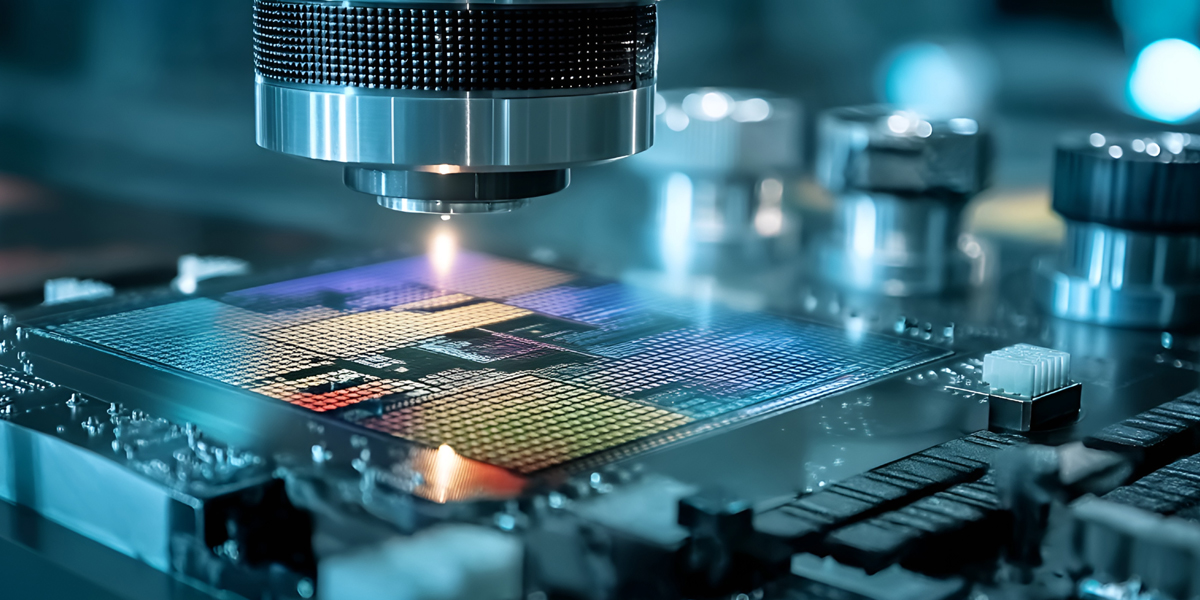
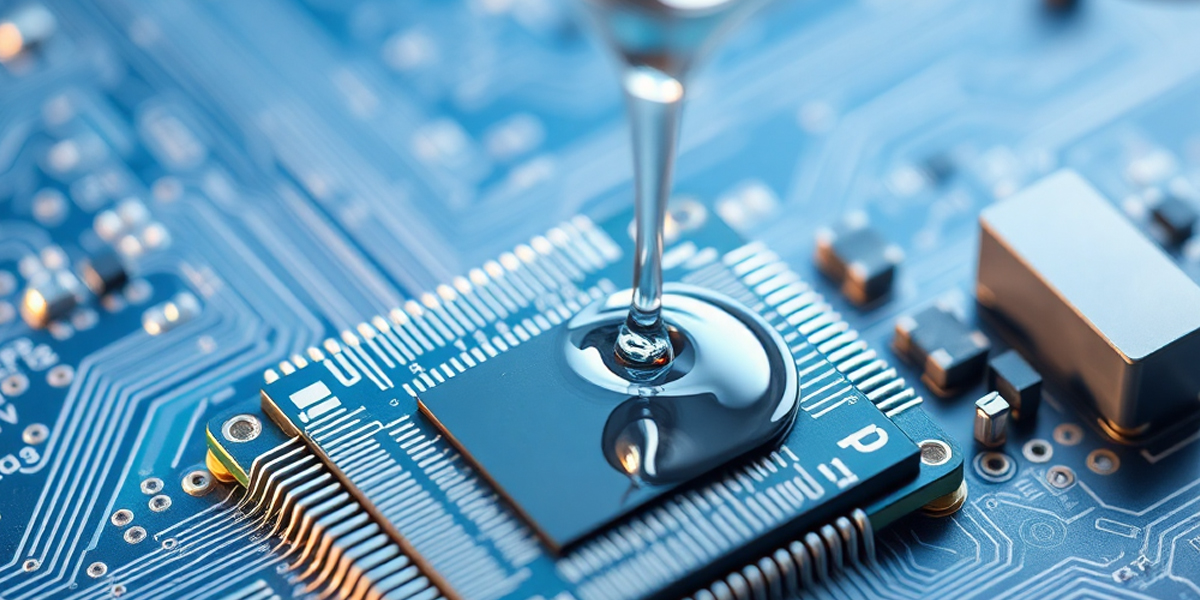
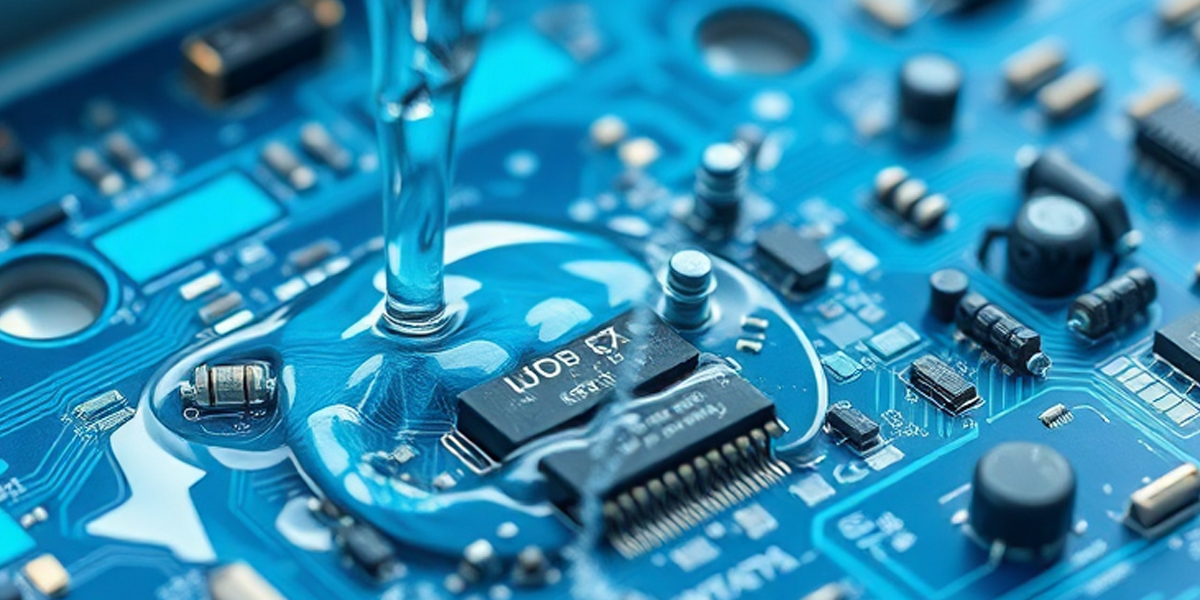
Comprehensive Equipment Operation Demo Videos
Gain intuitive, clear, dynamic insight into synchronous defoaming with planetary centrifugal force and high negative pressure.
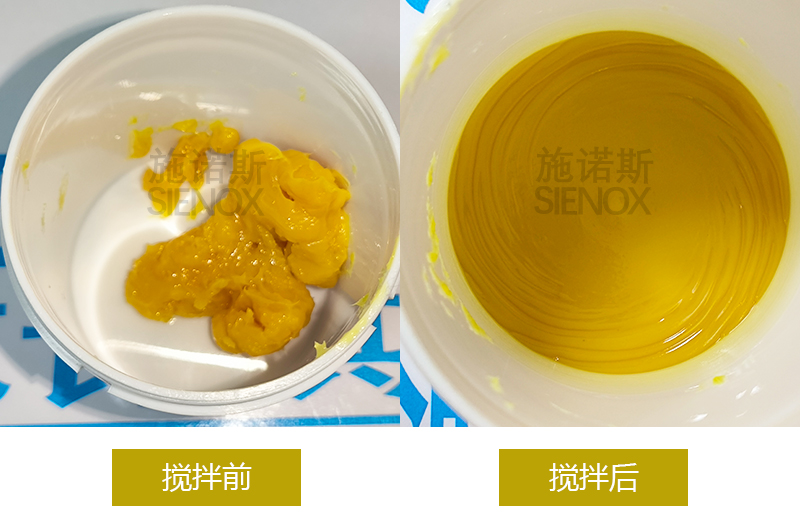
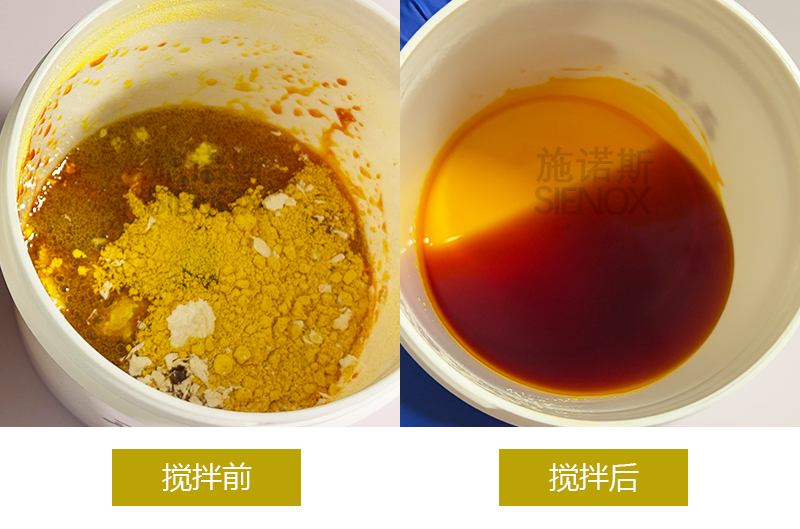
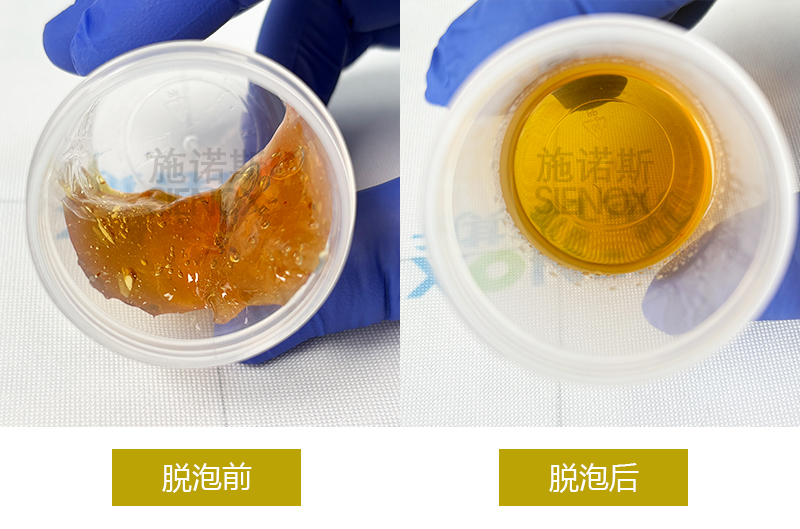
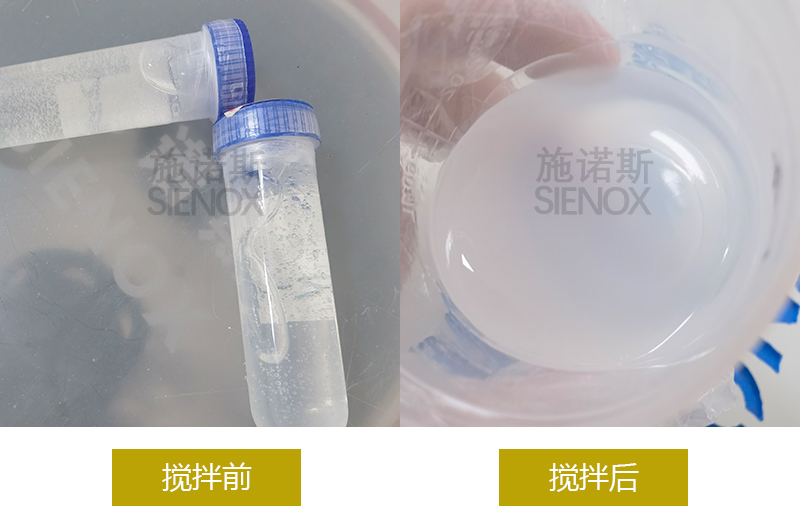
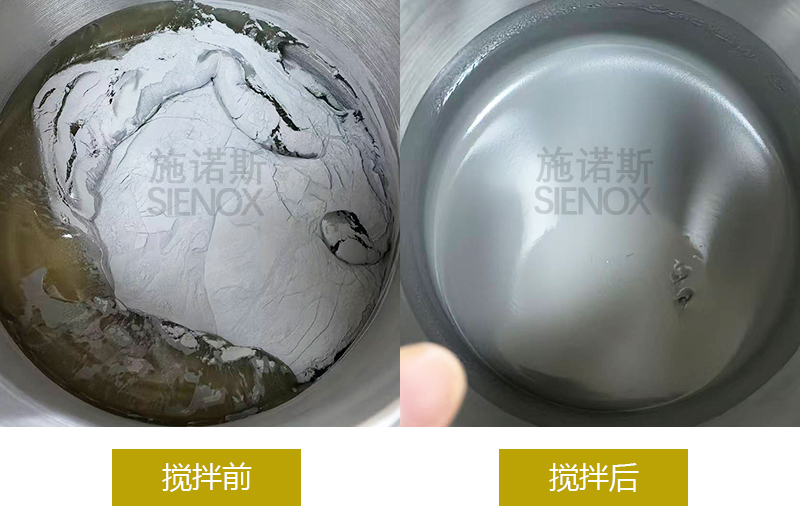
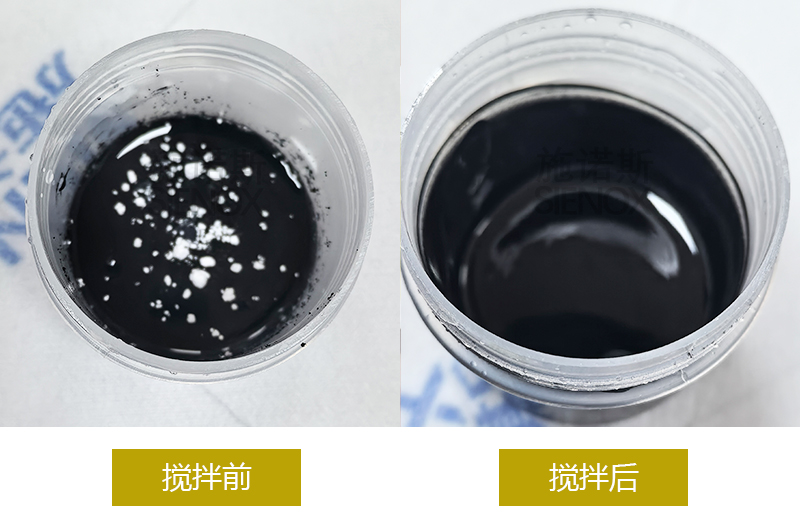
Measured Defoaming‑Process Performance
Measured Processing Results for Six Typical Materials
Paste Materials |
Adhesives + Powders |
Polymer Materials |
Pharmaceutical Gels |
Silver Paste Materials |
Battery Slurries |
Precautions for Use
| Precautions | Operating Instructions |
| Light-shielded Operation | UV resin is light-sensitive. Perform defoaming and material transfer under light-shielded conditions throughout to avoid premature curing. |
| Low-speed Operation | Low-speed mixing is recommended to reduce shear heat and prevent premature reaction of photosensitive systems. |
| Vacuum Duration | Vacuum time shall not be too long for solvent-containing or low-viscosity UV resin to prevent excessive solvent volatilization. |
| Slow Pressure Relief | Release pressure slowly before opening the lid after defoaming to prevent re-bubbling and hazing on the adhesive surface. |
* Internal laboratory test data. Actual results vary with material formulation and process. Contact sales for real customer cases.
Customer Delivery & Application Cases
Rooted in manufacturing frontlines, empowering benchmark production lines and key national research institutions across diverse industries.