

Vacuum Planetary Mixing Defoamer

TEL:18925129293


SIENOX Planetary Vacuum Mixer‑Defoamer SIE‑MIX1000plus


Paddle‑Free Non‑Contact Mixing · For Deep Micro‑Bubble Treatment in Pilot & Small‑Batch Production
1000 mL Lab / Pilot Scale, Standard ‑98 kPa Vacuum, 100‑2000 rpm Stepless Adjustable Speed
SIE‑MIX1000plus planetary vacuum mixer‑defoamer covers 0‑1000 mL mixing and defoaming requirements. Dual‑drive revolution‑rotation mixing combined with ‑98 kPa vacuum environment delivers consistent density, homogeneous dispersion and deep‑layer defoaming for multi‑component materials. Ideal for pilot‑scale vacuum defoaming of new‑energy lithium‑battery slurries, photovoltaic conductive silver pastes, medical polymer gels and more. Customization is available.
✓ CE Certified ✓ ISO9001 Quality System ✓ RoHS Compliant ✓ Custom Voltage Support (110V/220V)
Why Must Microbubbles in Materials Be Eliminated?
Nanoscale micro‑bubbles remaining inside materials directly affect product yield and performance stability.
New‑Energy Lithium‑Battery IndustryTiny invisible micro‑bubbles exist inside battery anode and cathode slurries. When heated during coating, bubbles expand and rupture, resulting in pinholes, depressions and powder shedding on electrode sheets. Density variations in slurry lead to inconsistent internal resistance of battery cells, impairing the stability of cycling capacity. Stress concentration tends to occur at bubble areas during charge‑discharge cycles, causing excessive local temperature rise, increasing cell failure risks and raising production costs. | Photovoltaic Conductive Silver Paste IndustryInternal bubbles in silver paste block conductive paths and undermine the stability of power‑generation efficiency for PV modules. After coating, bubbles produce pits and color differences, which easily cause appearance inspection failures. Bubbles reduce bonding strength between silver paste and silicon‑wafer substrates. Silver layer peeling may occur under long‑term outdoor exposure and shorten the service life of photovoltaic panels. | Medical Polymer Gel IndustryBubbles trapped in raw materials for medical gels and biological dressings form cavities after curing and impair the uniformity of drug sustained release. Surface pinholes on gels weaken sealing and protection performance and bring risks of microbial growth. Bubbles inside high‑transparency medical consumables trigger light scattering, making it difficult for light‑transmission parameters to meet medical‑device testing standards. |
✨ Challenges of conventional defoaming: Ordinary planetary mixer‑defoamers rely on centrifugal force to remove bubbles, with limited performance on nanoscale micro‑bubbles trapped in high‑viscosity materials. Static defoaming is time‑consuming and incomplete. Vacuum mixing‑defoaming applies ‑98 kPa negative‑pressure vacuum during planetary agitation, lowering the pressure difference inside and outside bubbles to enable micro‑bubbles to expand and escape. It delivers deep‑layer defoaming results unachievable by conventional mixing methods.
Why Choose SIE‑MIX1000plus
Engineered for vacuum defoaming in small‑batch production scenarios
Large‑Capacity Dual‑Station DesignStandard 1000 mL dual‑station simultaneous processing among comparable models, supporting up to 1000 mL material per batch. Wide adjustable speed range from 100‑2000 rpm, compatible with various materials ranging from low‑viscosity inks to high‑viscosity metal slurries. Optional heating and cooling assemblies are available for heat‑sensitive and easily‑cured experimental materials. Multiple material tests can be completed without switching different devices. | Combined Vacuum‑Planetary DefoamingFully sealed chamber equipped with vacuum pressure gauge maintains stable ‑98 kPa negative pressure. Planetary revolution together with container counter‑rotation generates composite centrifugal force for full‑range material tumbling, accelerating precipitation and floating‑up of deep‑layer micro‑bubbles. Compared with centrifugal‑only defoaming equipment, the combined vacuum‑planetary effect reduces residual micro‑bubbles and minimizes finished‑product defects such as voids and pinholes. | Intelligent Programmable Control SystemTouch‑screen operation panel supports saving 100 groups of custom mixing programs. Optional MES industrial data interface fully records process parameters including rotation speed, vacuum level and running duration for batch‑to‑batch data traceability. Equipped with mechanical safety lock, emergency‑stop button and overload power‑off protection, the machine meets daily‑use requirements for university laboratories and factory pilot workshops. |
✨ When vacuum defoaming is required and production volume reaches the 1000 mL level, SIE‑MIX1000plus serves as the preferred pilot‑scale option within the planetary vacuum mixer‑defoamer series for small‑batch applications.
Working Principle
Adopt synergistic process of planetary revolution + container rotation + sealed high‑vacuum environment
Step 1: Centrifugal Force from Revolution The rotating revolution plate drives the container and materials to generate strong centrifugal force, triggering full convection of materials for macro mixing. Meanwhile, centrifugal force pushes low-density bubbles toward the rotation axis, gathering and releasing large bubbles. Step 2: Shear Force from Rotation The container rotates around its own axis to produce directional shear force, breaking up agglomerated particles for micro dispersion. High speed up to 3000rpm creates powerful shear for efficient full-volume mixing, thinning bubble membranes and accelerating bubble rupture. Step 3: Vacuum Negative Pressure Boosts Defoaming While revolution and rotation proceed, the vacuum system reduces chamber pressure to -98kPa. Under low pressure, pressure difference inside and outside bubbles expands nano-sized microbubbles and speeds up their floating and release. Vacuum defoaming compensates the limitation of centrifugal force on tiny bubbles, achieving full-range defoaming from large bubbles down to nanoscale bubbles. Revolution, rotation and vacuum work simultaneously. Materials complete the full process of "Mixing → Dispersion → Deep Defoaming" inside the sealed container. 3000rpm high speed combined with -98kPa vacuum balances mixing efficiency and defoaming depth. | 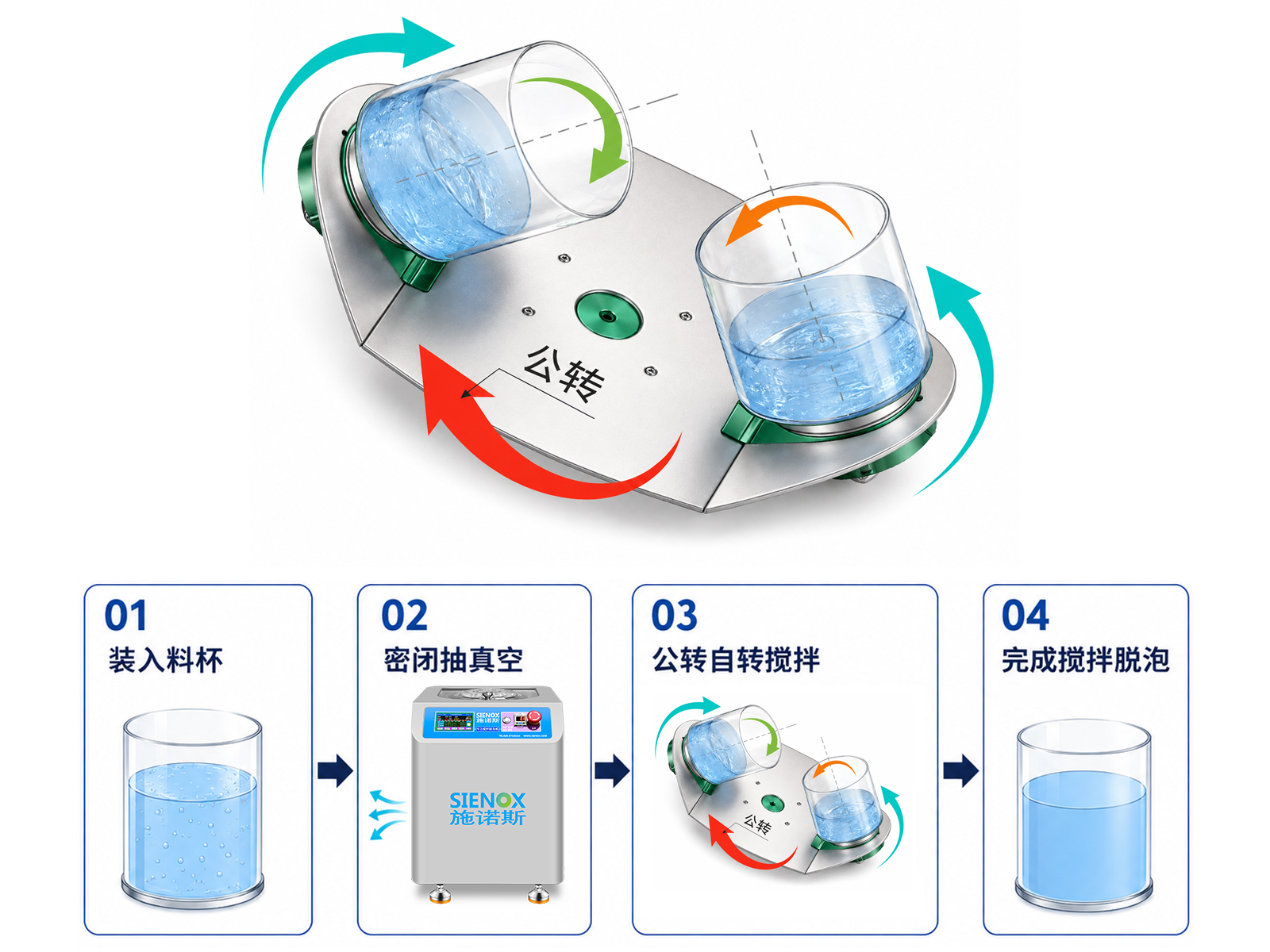 |
Technical Specifications
Rigorous Equipment Performance Specification Alignment
| Model | SIE-MIX1000Plus |
| Mixing Capacity | 0-1000 mL (standard container) * customizable |
| Container type | Test tube/can/cup; Support syringe and cartridge adapter |
| Number of containers | 1 or 2 cans (user selectable) |
| Maximum speed | 100-2000 RPM (infinitely adjustable) |
| Revolution/Rotation Ratio | Fixed planetary ratio |
| Degree of vacuum | Standard: -98 kPa/Optional: -100 kPa |
| Control System | Touch screen, capable of storing 100 sets of recipe parameters |
| Power supply | 220V, 50/60Hz (customizable 110V according to US and Japanese standards) |
| Dimensions (W × D × H) | 820 × 610 × 760 mm |
| Net weight | 165 kg |
| Certification | CE, ISO9001, RoHS compliance |
我们的合作伙伴
深受全球知名工业制造集群及前沿高校实验室信赖
FAQ 您关心的问题
为您解答关于产品性能及日常工艺选型中的常见疑问
-
真空脱泡搅拌机是什么?用于哪些行业?
真空脱泡搅拌机是在真空环境下同步完成搅拌与脱泡的设备,脱泡同时混料,避免二次气泡混入,常用于环氧树脂、硅胶、AB 胶等高粘度材料的混料脱泡处理,广泛应用于新能源电池、半导体封装、LED、电子灌封、胶粘剂等行业。
-
广州施诺斯主要生产哪些设备?
主要产品包括搅拌脱泡机、真空脱泡搅拌机、真空脱泡机、高压脱泡机、真空搅拌机、实验室均质机、三辊研磨机、三维混粉机,以及点胶机、分装机等配套设备和夹具、搅拌罐、针筒等辅品耗材。
-
源头厂家采购脱泡设备有什么优势?
源头厂家直供可省去中间环节,价格更透明,同时能提供参数定制、来料试机、工艺验证等服务,售后响应更直接。
-
搅拌脱泡机的工作原理?
施诺斯设备采用行星式混合原理:料罐在自转的同时绕公转轴公转,物料在罐内随之翻动混合,同时抽真空脱泡。整个过程设备不设搅拌桨,搅拌部件不接触物料,不会引入金属异物,混合均匀不分层。
-
为什么选择施诺斯?
施诺斯(SIENOX)是广州施诺斯科技股份有限公司旗下品牌,2014 年成立,专注脱泡机与搅拌机的研发与制造,团队自 2006 年起从事真空搅拌脱泡设备研发。设备采用非接触式设计,不设搅拌桨,行星式公转加自转运动辅以真空系统,高效除泡,混合均匀不分层。公司产品涵盖搅拌脱泡机、真空脱泡搅拌机、真空脱泡机、高压脱泡机、真空搅拌机、实验室均质机、三辊研磨机、三维混粉机,以及点胶机、分装机等配套设备和夹具、搅拌罐、针筒等辅品耗材,广泛应用于新能源、半导体、LED、电子灌封、胶粘剂、涂料、油墨等行业。通过 ISO9001、CE 认证,拥有 30 余项专利,服务富士康、比亚迪、清华大学等企业与科研院所。
Technical Specification List
Full‑range standardized specifications support accurate process evaluation and equipment selection
| Model | SIE-MIXF301 | SIE-MIX90 | SIE-MIX1000Plus |
| Mixed capacity | 0-300 mL (standard container) * customizable | 0-1000 mL (standard container) * customizable | 0-1000 mL (standard container) * customizable |
| Container type | Test tube/can/cup; Support syringe and cartridge adapter | Test tube/can/cup; Support syringe and cartridge adapter | Test tube/can/cup; Support syringe and cartridge adapter |
| Number of containers | 1 or 2 cans (user selectable) | 1 or 2 cans (user selectable) | 1 or 2 cans (user selectable) |
| maximum speed | 0-2000 RPM (infinitely adjustable) | 0-2000 RPM (infinitely adjustable) | 100-2000 RPM (infinitely adjustable) |
| Revolution/Rotation Ratio | Free adjustable | Fixed planetary ratio | Fixed planetary ratio |
| degree of vacuum | Standard: -98 kPa/Optional: -100 kPa | Standard: -98 kPa/Optional: -100 kPa | Standard: -98 kPa/Optional: -100 kPa |
| Control System | Touch screen, capable of storing 100 sets of recipe parameters | Touch screen, capable of storing 100 sets of recipe parameters | Touch screen, capable of storing 100 sets of recipe parameters |
| power supply | 220V, 50/60Hz (customizable 110V according to US and Japanese standards) | 220V, 50/60Hz (customizable 110V according to US and Japanese standards) | 220V, 50/60Hz (customizable 110V according to US and Japanese standards) |
| Dimensions (W × D × H) | 510 × 430 × 500 mm | 610 × 560 × 780 mm | 820 × 610 × 760 mm |
| Net weight | 115kg | 153 kg | 165 kg |
| Certification | CE | CE | CE |
***The above are only typical models, and we can provide personalized solutions according to customer needs.
Multi‑Industry Solutions
Customized solutions are available to meet comprehensive requirements ranging from cutting‑edge R&D to mass‑scale production.
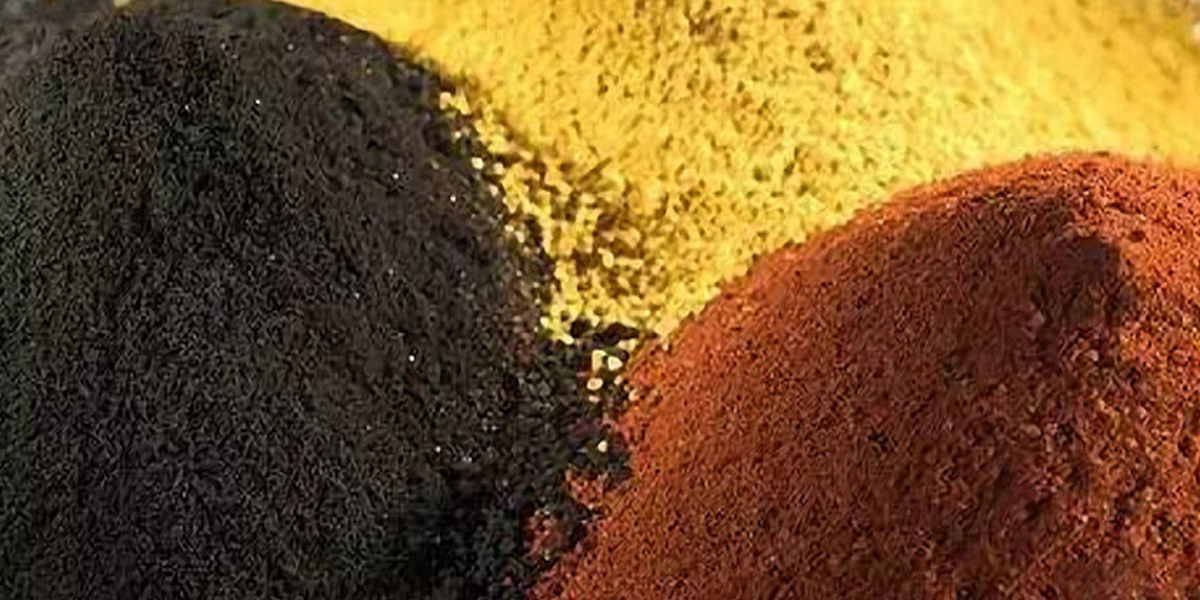
New Energy Lithium‑battery IndustryLithium‑ion battery cathode & anode slurries, conductive agents, insulating potting adhesives, thermal‑conductive greases, auxiliary electrolyte materials |
Photovoltaic & Optoelectronic IndustryPV silver paste, aluminum paste, encapsulating adhesive films, optical coatings, phosphor powders, conductive nano‑slurries |
Electronics & Semiconductor IndustryEpoxy conductive adhesives, UV encapsulation adhesives, insulating black adhesives, silver nanowires, thermal‑conductive gels, chip underfill adhesives |
Advanced‑Material R&D IndustryNano‑powder dispersions, polymer composite materials, ceramic slurries, high‑filler pastes, fluorescent color pastes |
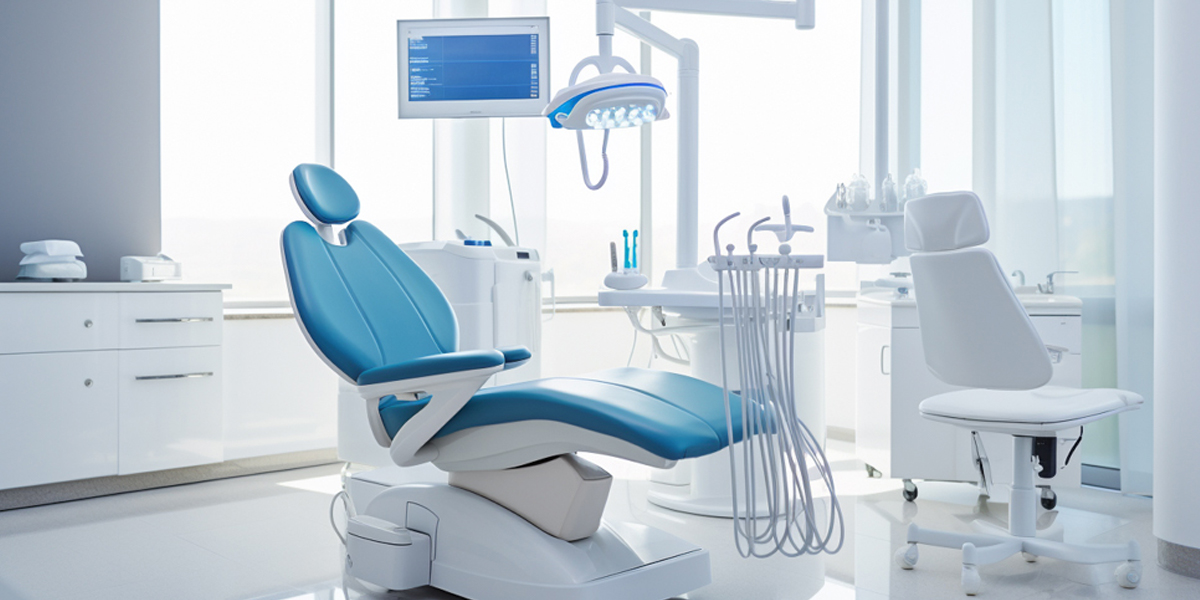
Medical & Biological IndustryMedical transparent gels, biological dressing raw materials, dental resins, sterile bonding adhesives, pharmaceutical ointments |
Ink, Coating & Chemical IndustryConductive inks, anti‑corrosion coatings, color pastes, lubricating greases, high‑viscosity resins, various industrial adhesives |

Comprehensive Equipment Operation Demo Videos
Gain intuitive, clear, dynamic insight into synchronous defoaming with planetary centrifugal force and high negative pressure.
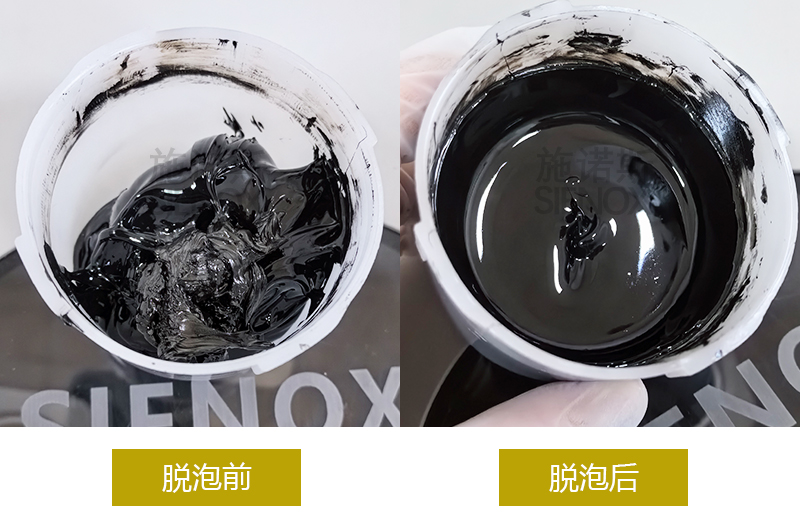
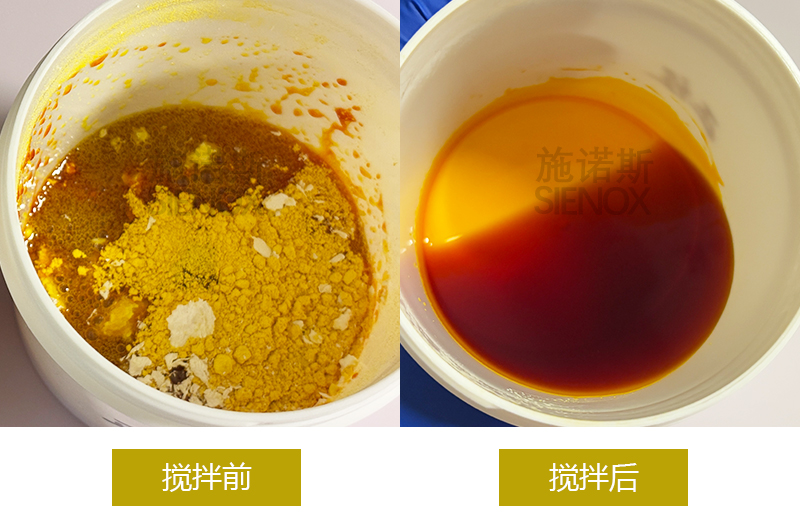
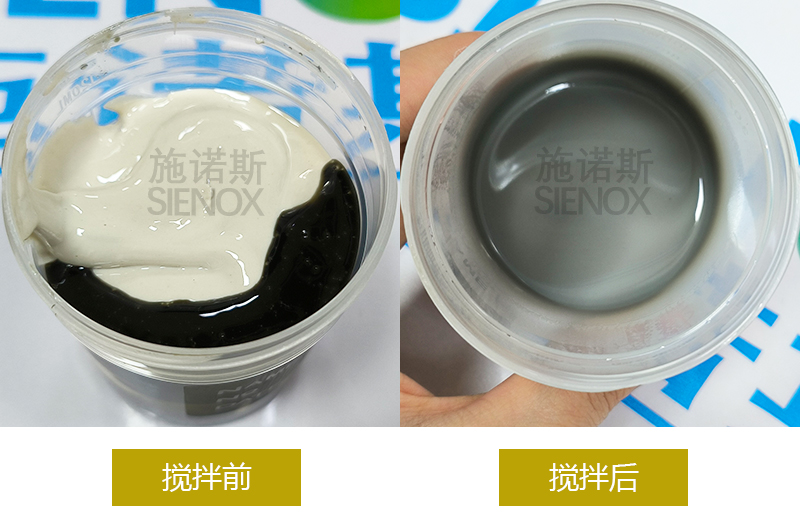
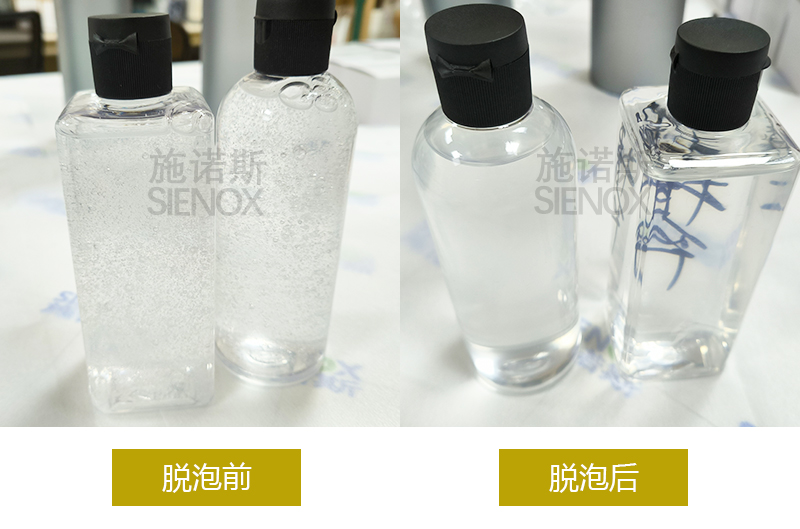
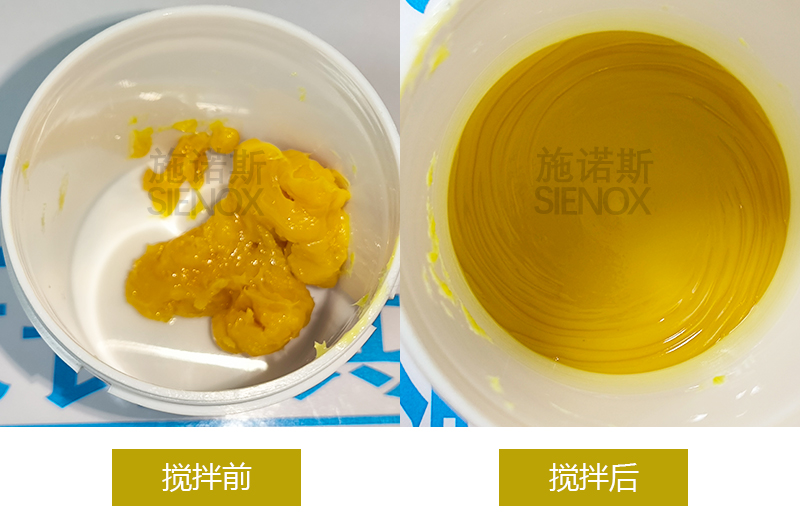
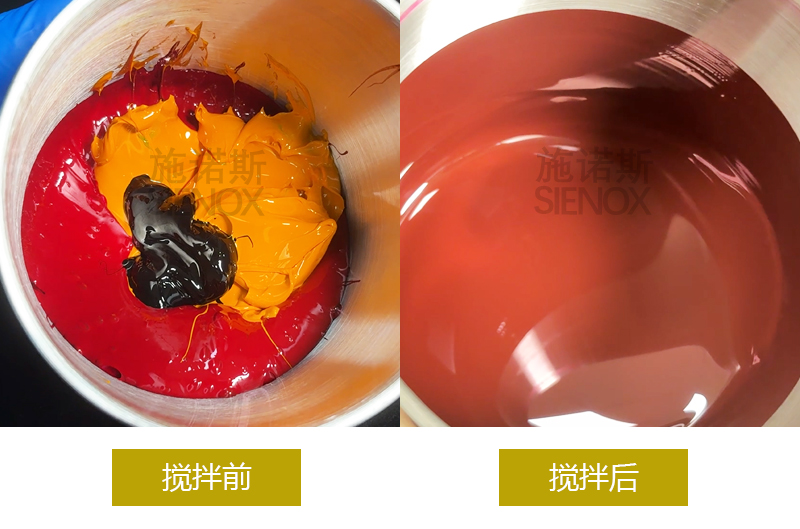
Actual Test Results of Defoaming Process
Eliminate Material Bubbles, Voids and Delamination Completely
Potting Adhesive |
Photoresist |
Structural Adhesive |
Cosmetic Serum |
Lubricant Oil |
Ink |
Measured Data Comparison
Data‑Driven Validation · Quantifiable Performance
| Material Type | Pre processing status | MIX1000PLUS processed |
| Photovoltaic conductive silver paste | Fine and tiny bubbles in the slurry, uneven surface of the paste, weak flowability, and easy occurrence of pinhole defects during coating | The paste is uniformly transparent, with no obvious bubbles observed by the naked eye, and flows smoothly without powder agglomeration. The coating film layer is smooth and continuous |
| Lithium battery positive and negative electrode paste | Powder is prone to agglomeration, with a large number of microbubbles wrapped inside the raw materials, uneven thickness of the slurry, and easy layering after standing | The active substance is evenly dispersed, the layering phenomenon is alleviated, the bubble content is significantly reduced, and the pinholes and powder falling defects in the coated and formed electrode pieces are reduced |
| Epoxy encapsulation resin | Colloids are wrapped in air, and solidification molding is prone to cavities and fine cracks, which can easily affect the bonding strength | The resin molding texture is dense, the probability of cavities is reduced, the cured surface is flat and smooth, and the insulation, sealing, and bonding properties are more stable |
*Internal laboratory testing data shows that the specific increase varies depending on the material formula. Real customer cases can be obtained by contacting sales.
Customer Delivery & Application Cases
Rooted in manufacturing frontlines, empowering benchmark production lines and key national research institutions across diverse industries.