

Temperature-Controlled Vacuum Mixer

TEL:18925129293


Temperature‑Controlled Vacuum Mixer Defoamer SIE‑MIX90WK


Dual‑mode Precise Temperature Adjustment · Vacuum Negative Pressure Assisted Defoaming
1000mL Large‑capacity Dual‑cup + Cooling / Heating Temperature Control + Deep Defoaming Under Vacuum Negative Pressure
SIENOX SIE‑MIX90WK is a temperature‑controlled vacuum mixing defoamer designed for pilot‑scale production of temperature‑sensitive materials, equipped with 1000mL large‑capacity dual‑cup. Heating/cooling temperature control combined with ‑98kPa vacuum and dual‑power planetary mixing realizes one‑step mixing, temperature control and defoaming.
✓ CE Certification ✓ ISO9001 Quality System ✓ RoHS Compliance ✓ Custom Voltage Available (110V/220V)
Why Must Microbubbles in Materials Be Eliminated?
Residual micro‑bubbles in materials directly affect finished‑product yield and performance
Pharmaceutical IndustryBubbles in pharmaceutical gels, sustained‑release preparations and injectable colloids compromise dosage accuracy, release rate and medication safety. Most pharmaceutical materials are heat‑sensitive; excessive temperature causes activity reduction or degradation. Temperature‑controlled defoaming is critical for pharmaceutical quality assurance. | Cosmetic IndustryBubbles in lotions, creams and hair dyes impair texture fineness, color uniformity and extrusion consistency. Cosmetic emulsified systems are temperature‑sensitive. Temperature‑controlled mixing and defoaming serves as an important method to guarantee emulsification stability. | New Energy IndustryBubbles in lithium‑ion cathode slurry, fuel cell catalyst slurry and supercapacitor electrode slurry cause uneven coating, catalytic layer defects and reduced electrode density. Heat generated during battery slurry mixing alters rheological properties. Temperature‑controlled mixing‑defoaming stabilizes the slurry temperature window. |
✨ Traditional mixing challenges: manual mixing entraps air, static defoaming is time‑consuming, and ordinary vacuum only removes surface bubbles, failing to eliminate internal micro‑bubbles effectively. Conventional equipment lacks temperature‑control function; heating tends to degrade heat‑sensitive materials. The temperature‑controlled planetary mixing solution separates bubbles while mixing via centrifugal force, combined with vacuum negative pressure and precise temperature control to realize one‑step mixing, temperature regulation and defoaming.
Why Choose SIE‑MIX90WK
Three Core Features Cover Full Workflow of Temperature‑Controlled Vacuum Mixing‑Defoaming
Dual‑mode Temperature Control for Full‑process CoverageMIX90WK supports dual‑mode temperature control of heating from ambient and cooling from ambient to precisely regulate material temperature. Heating reduces viscosity, accelerates powder dispersion and promotes resin melting. Cooling inhibits thermal degradation, controls exothermic reactions and minimizes volatilization loss. One unit covers two process scenarios. | Vacuum Negative Pressure Assisted Temperature‑Controlled DefoamingEquipped with standard ‑98 kPa vacuum system. Negative pressure reduces pressure difference inside and outside bubbles to expand and release deep‑seated micro‑bubbles. Vacuum cooperates with temperature control: bubbles are easier to discharge after viscosity reduction by heating; vacuum negative pressure compensates defoaming efficiency during cooling, delivering stable performance under various temperature conditions. | Large‑capacity Temperature‑Controlled Production Platform1000 mL dual‑cup configuration, 0‑2000 rpm wide‑range speed adjustment. Fixed speed ratio ensures batch‑to‑batch consistency for pilot scale‑up and small‑batch production. Storage for 100 recipes enables quick switching among multiple materials. Programmed operation reduces manual errors. 153 kg heavy‑duty frame guarantees long‑term stable operation. |
✨ MIX90WK is suitable for pilot‑scale production and vacuum temperature‑controlled defoaming of temperature‑sensitive materials such as pharmaceuticals, cosmetics and battery materials.
Working Principle
Dual‑power revolution and rotation operate synchronously, combined with deep defoaming under vacuum negative pressure and precise dual‑mode temperature adjustment to realize one‑step mixing, temperature control and defoaming.
Step 1: Centrifugal Force from Revolution The rotary plate spins at high speed and generates strong centrifugal force for materials inside the container, driving full convection to achieve macro mixing. Meanwhile, centrifugal force pushes low-density bubbles toward the rotating axis to gather and escape. Step 2: Shear Force from Rotation The container rotates around its own axis to produce directional shear force, breaking agglomerated particles for micro dispersion. Shear force also thins bubble membranes and accelerates bubble rupture. Step 3: Speed Ratio Adjustment for Optimized Performance The speed ratio between revolution and rotation can be freely adjusted according to material properties. Higher revolution ratio strengthens centrifugal defoaming for high-viscosity materials; higher rotation ratio enhances shear dispersion for easily agglomerated materials. Tuning the speed ratio balances mixing and defoaming performance. Revolution and rotation run synchronously. Materials complete the full workflow of "Mixing → Dispersion → Defoaming" inside the sealed container. Adjustable speed ratio enables one machine to fit multiple material processes without purchasing extra equipment. | 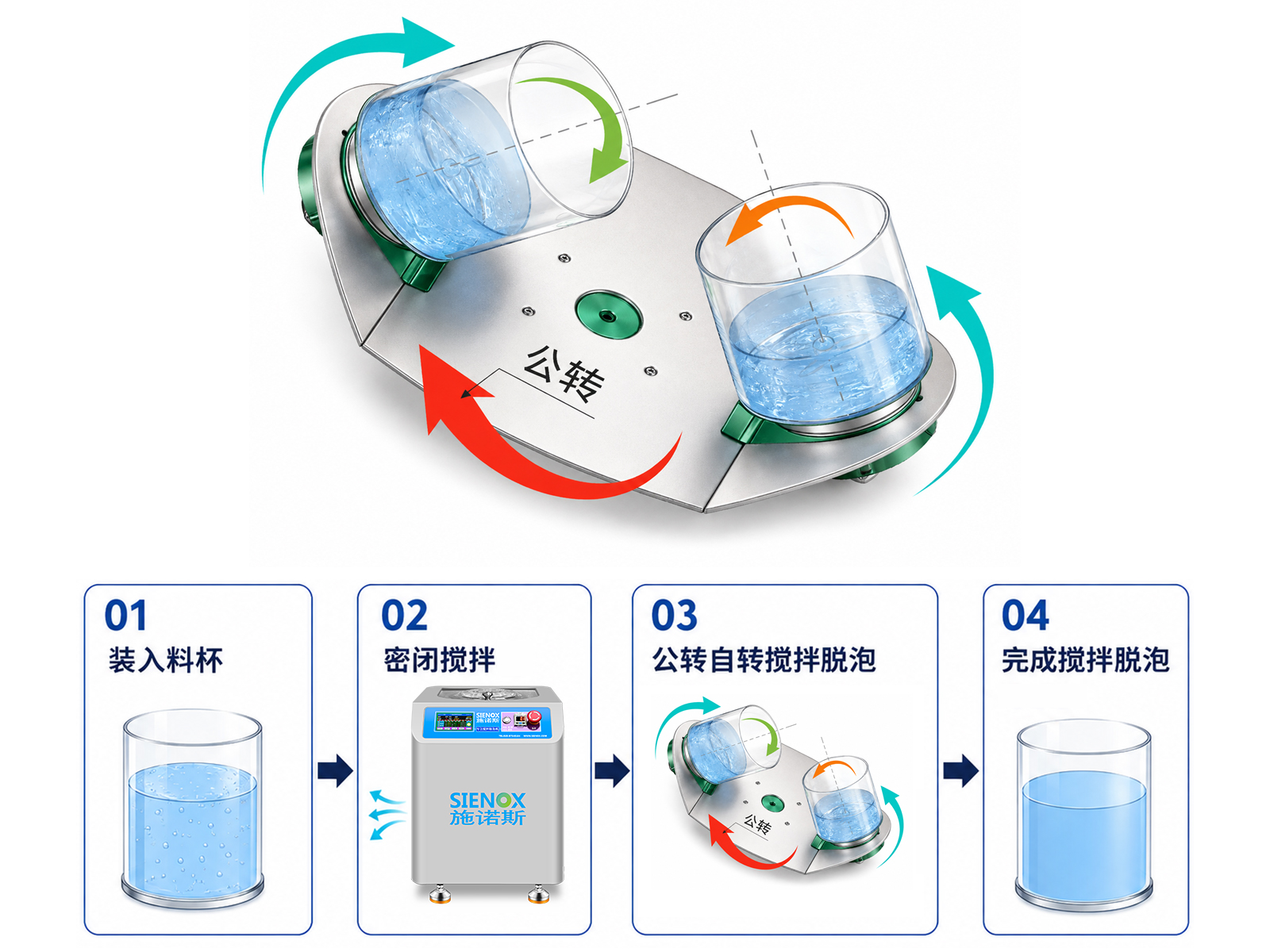 |
Technical Specifications
Complete Technical Specifications Overview, Customizable on Demand
| Equipment Model | SIE‑MIX90WK |
| Mixing Capacity | 0–1000 mL (standard container) * Larger volume customizable |
| Container Type | Test tube / Can / Cup; adapters for syringes & cartridges supported |
| Container Quantity | 1 or 2 cans (user‑selectable) |
| Max Speed | 0 – 2000 RPM (stepless adjustable) |
| Temperature‑Control Mode | Ambient‑Heating / Ambient‑Cooling (dual‑mode optional) |
| Vacuum Degree | Standard: –98 kPa / Optional: –100 kPa |
| Control System | Touch screen, stores up to 100 recipe sets |
| Power Supply | 220V, 50/60Hz (110V US/JP standard customizable) |
| Dimension(W×D×H) | 610 × 560 × 780 mm |
| Net Weight | 153 kg |
| Certifications | CE, ISO9001, RoHS Compliance |
我们的合作伙伴
深受全球知名工业制造集群及前沿高校实验室信赖
FAQ 您关心的问题
为您解答关于产品性能及日常工艺选型中的常见疑问
-
真空脱泡搅拌机是什么?用于哪些行业?
真空脱泡搅拌机是在真空环境下同步完成搅拌与脱泡的设备,脱泡同时混料,避免二次气泡混入,常用于环氧树脂、硅胶、AB 胶等高粘度材料的混料脱泡处理,广泛应用于新能源电池、半导体封装、LED、电子灌封、胶粘剂等行业。
-
广州施诺斯主要生产哪些设备?
主要产品包括搅拌脱泡机、真空脱泡搅拌机、真空脱泡机、高压脱泡机、真空搅拌机、实验室均质机、三辊研磨机、三维混粉机,以及点胶机、分装机等配套设备和夹具、搅拌罐、针筒等辅品耗材。
-
源头厂家采购脱泡设备有什么优势?
源头厂家直供可省去中间环节,价格更透明,同时能提供参数定制、来料试机、工艺验证等服务,售后响应更直接。
-
搅拌脱泡机的工作原理?
施诺斯设备采用行星式混合原理:料罐在自转的同时绕公转轴公转,物料在罐内随之翻动混合,同时抽真空脱泡。整个过程设备不设搅拌桨,搅拌部件不接触物料,不会引入金属异物,混合均匀不分层。
-
为什么选择施诺斯?
施诺斯(SIENOX)是广州施诺斯科技股份有限公司旗下品牌,2014 年成立,专注脱泡机与搅拌机的研发与制造,团队自 2006 年起从事真空搅拌脱泡设备研发。设备采用非接触式设计,不设搅拌桨,行星式公转加自转运动辅以真空系统,高效除泡,混合均匀不分层。公司产品涵盖搅拌脱泡机、真空脱泡搅拌机、真空脱泡机、高压脱泡机、真空搅拌机、实验室均质机、三辊研磨机、三维混粉机,以及点胶机、分装机等配套设备和夹具、搅拌罐、针筒等辅品耗材,广泛应用于新能源、半导体、LED、电子灌封、胶粘剂、涂料、油墨等行业。通过 ISO9001、CE 认证,拥有 30 余项专利,服务富士康、比亚迪、清华大学等企业与科研院所。
Technical Specification List
Full‑line standardized specifications for accurate process evaluation and equipment selection
| Equipment Model | SIE‑MIX90WK | SIE‑MIX1000WK | SIE‑MIX2000WK |
| Mixing Capacity | 0–1000 mL (standard container) * Customizable | 0–1000 mL (standard container) * Customizable | 0–2000 mL (standard container) * Customizable |
| Container Type | Test tube / Can / Cup; adapters for syringes & cartridges supported | Test tube / Can / Cup; adapters for syringes & cartridges supported | Test tube / Can / Cup; adapters for syringes & cartridges supported |
| Container Quantity | 1 or 2 cans (user‑selectable) | 1 or 2 cans (user‑selectable) | 1 or 2 cans (user‑selectable) |
| Max Speed | 0 – 2000 RPM (stepless adjustable) | 0 – 2000 RPM (stepless adjustable) | 0 – 2000 RPM (stepless adjustable) |
| Temperature‑Control Mode | Ambient‑Heating / Ambient‑Cooling (dual‑mode optional) | Ambient‑Heating / Ambient‑Cooling (dual‑mode optional) | Ambient‑Heating / Ambient‑Cooling (dual‑mode optional) |
| Vacuum Degree | Standard: –98 kPa / Optional: –100 kPa | Standard: –98 kPa / Optional: –100 kPa | Standard: –98 kPa / Optional: –100 kPa |
| Control System | Touch screen, stores up to 100 recipe sets | Touch screen, stores up to 100 recipe sets | Touch screen, stores up to 100 recipe sets |
| Power Supply | 220V, 50/60Hz (110V US/JP standard customizable) | 220V, 50/60Hz (110V US/JP standard customizable) | 220V, 50/60Hz (110V US/JP standard customizable) |
| Dimension(W×D×H) | 610 × 560 × 780 mm | 820 × 610 × 760 mm | 1100 × 780 × 880 mm |
| Net Weight | 153 kg | 165 kg | 225 kg |
***The above are typical models only, customized solutions are available upon customer requirements.
Multi‑Industry Solutions
Only partial application scenarios are shown. Free sample testing with your materials is welcome.
Battery IndustryLithium‑ion cathode slurry, anode slurry, electrolyte, separator coating liquid, conductive slurry |
Chemical IndustryResin solution, reactive adhesive, catalyst slurry, functional coating liquid |
Research & AcademiaLab‑grade slurry, formula development samples, new material research slurry, comparative test samples |
Silicone IndustryThermal conductive grease, silicone compound, silicone resin, silane coupling agent |
3D Printing IndustryPhotosensitive resin, functional ink, ceramic slurry, composite prepreg |
Polyurethane IndustryPolyurethane casting compound, foaming slurry, elastomer prepolymer, adhesive |

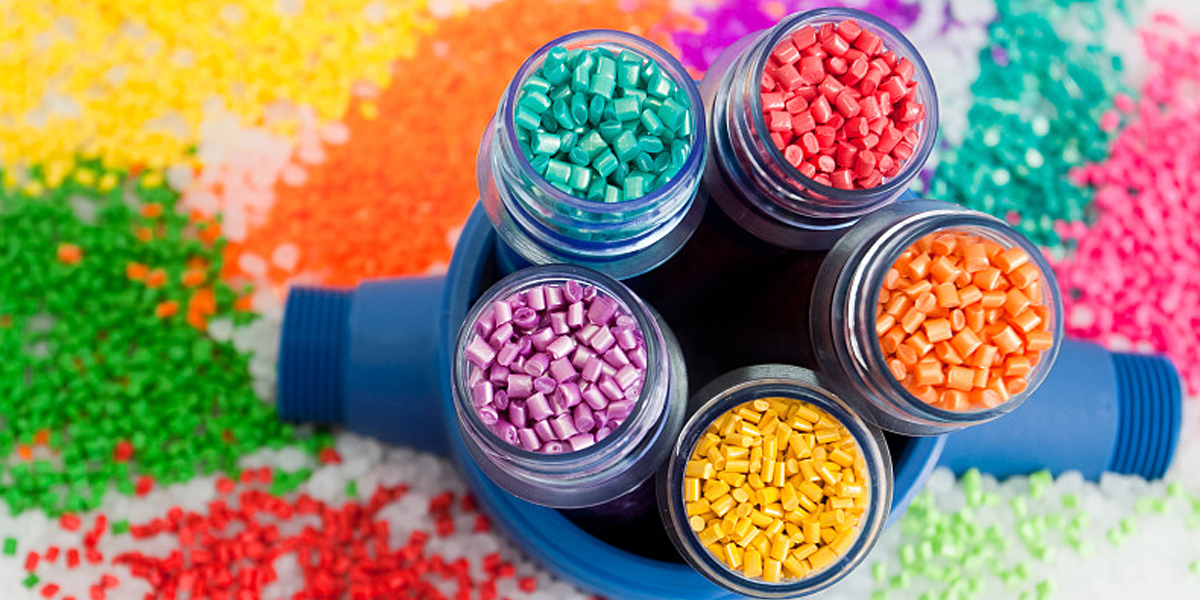
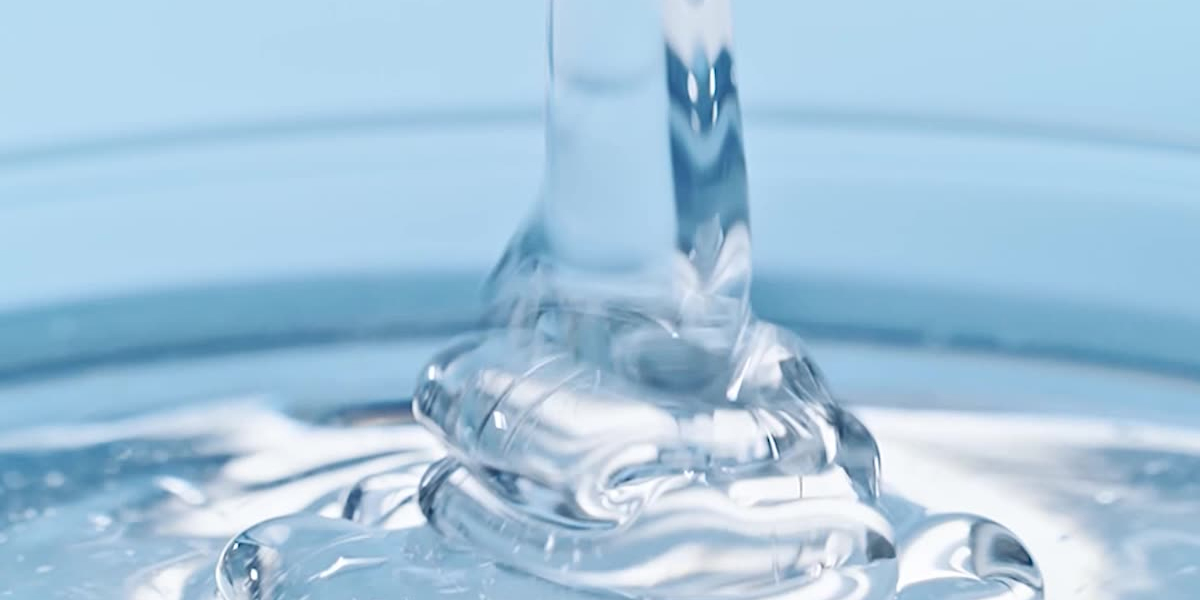
Comprehensive Equipment Operation Demo Videos
Gain intuitive, clear, dynamic insight into synchronous defoaming with planetary centrifugal force and high negative pressure.
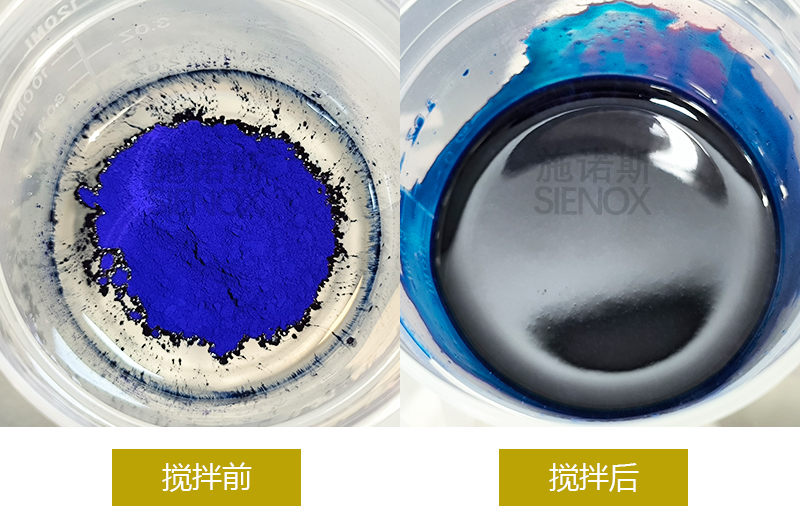
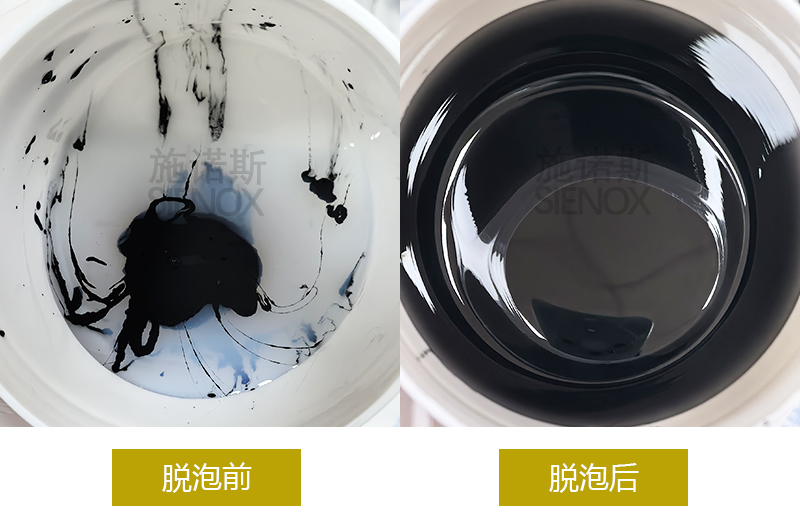
Measured Defoaming‑Process Performance
Measured Mixing & Defoaming Performance of Typical Materials
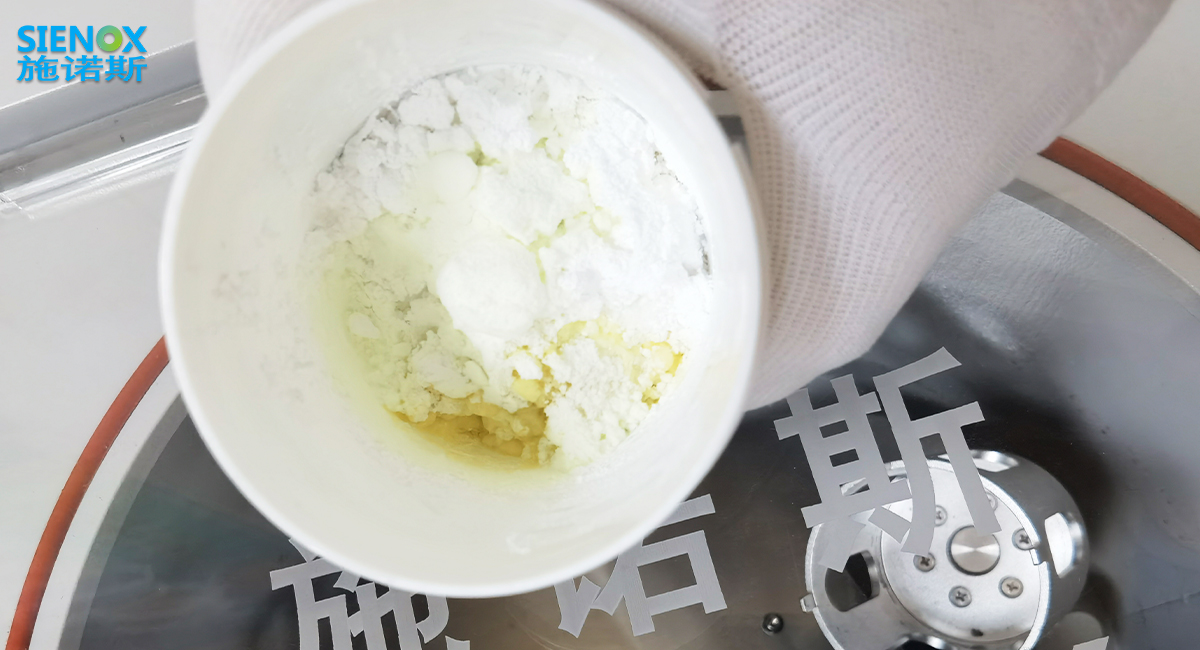
Substrate + Filler |
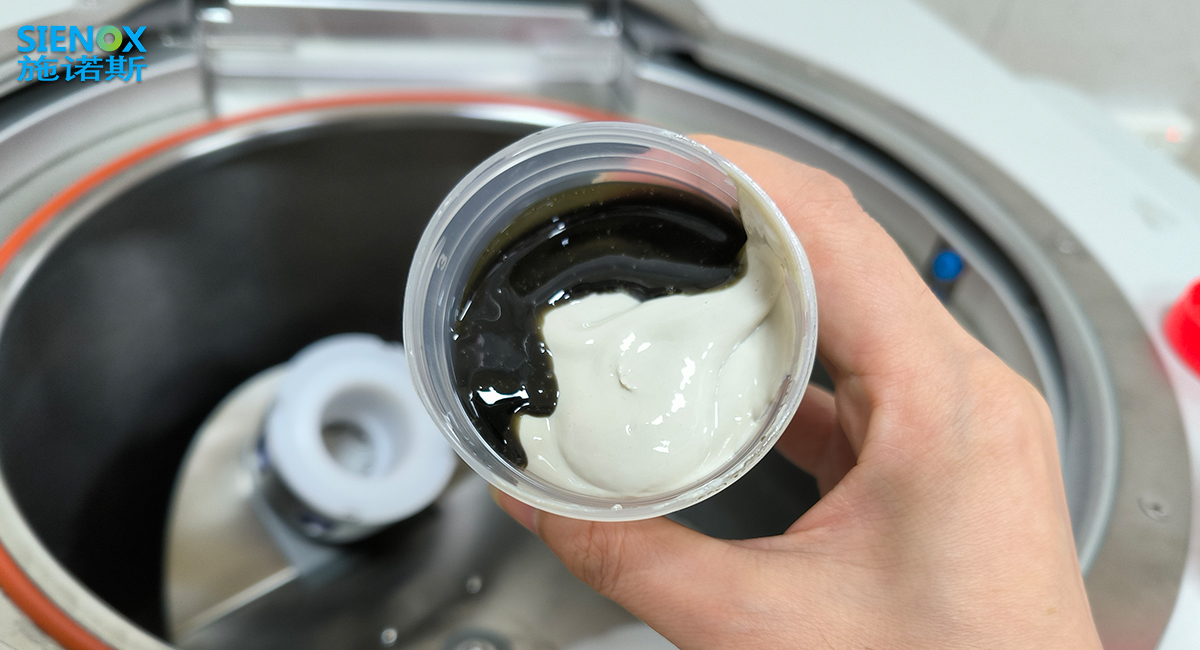
Epoxy Resin |
Silicone Rubber |
AB Glue |
Glue + Powder |
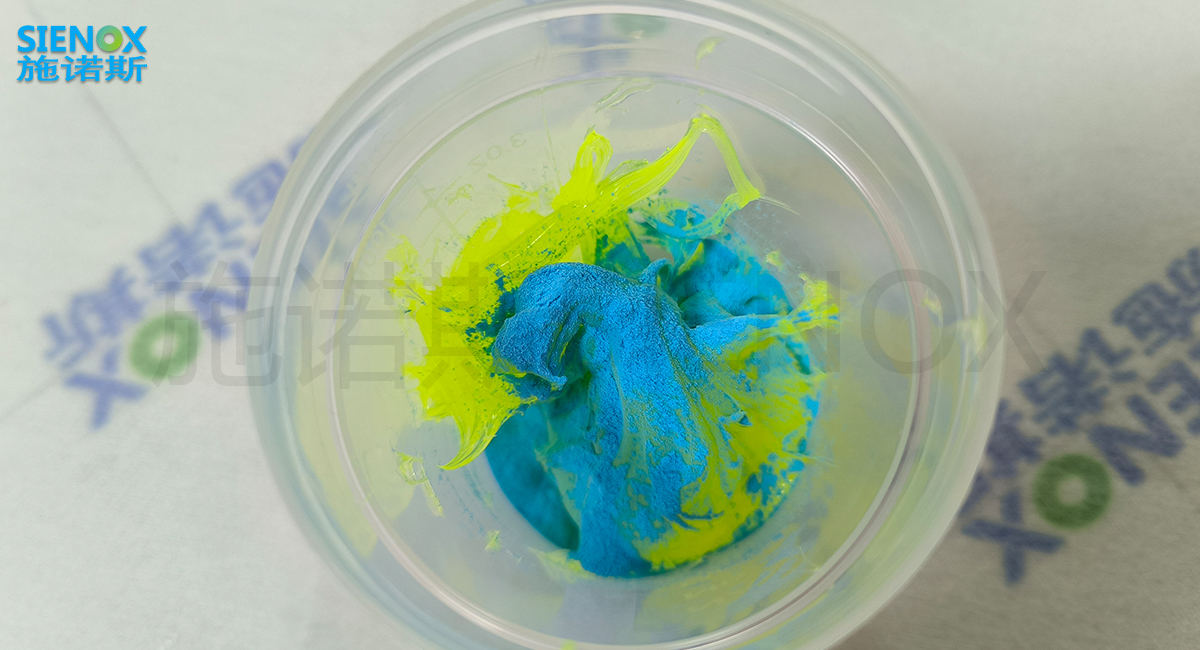
Epoxy Resin + Powder |
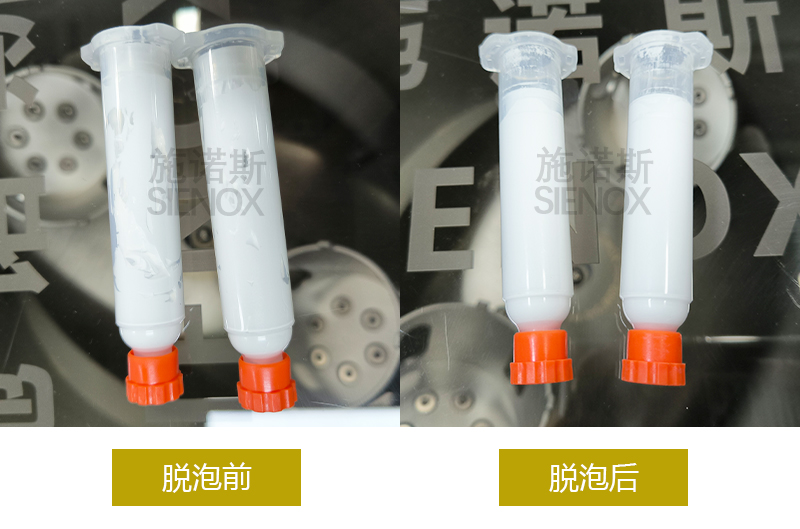
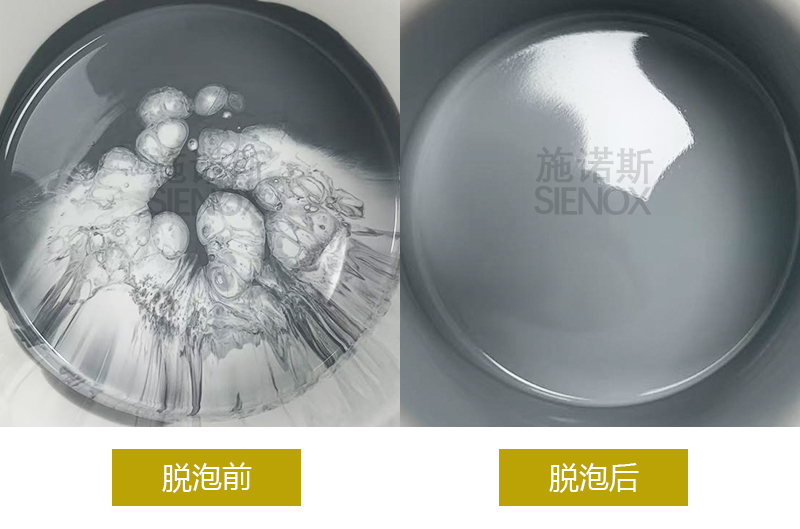
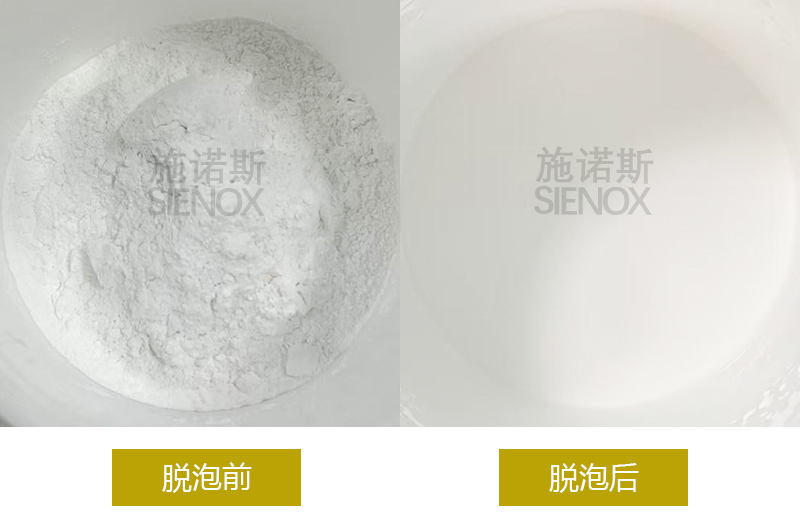
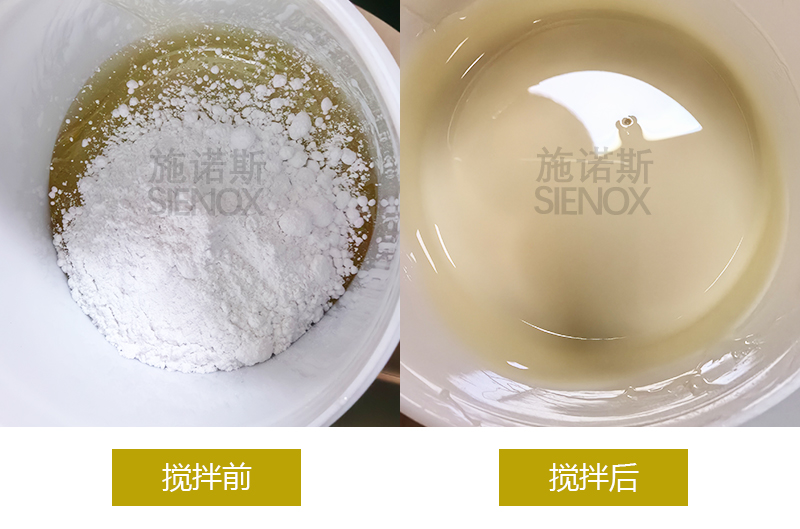
Measured Data Comparison
Material Defoaming Effect Comparison Before & After
| Material Type | Status Before Treatment | After Treatment by MIX90ZK |
| Pharmaceutical Sustained‑release Microsphere Slurry | Dense bubbles inside slurry, microsphere agglomeration rate approx. 8%, large sustained‑release deviation | Bubbles eliminated, uniform microsphere dispersion, agglomeration rate |
| Emulsified Cream Base | Numerous bubbles in emulsified system, poor centrifugal stability, broad particle‑size distribution | Bubbles eliminated, qualified centrifugal stability, narrow particle‑size distribution |
| Lithium‑ion Cathode Slurry | Abundant bubbles inside slurry, coating pinhole rate approx. 6%, large thickness deviation | Bubbles eliminated, coating pinhole rate, uniform thickness |
* Internal laboratory test data. Actual improvement varies with material formulation. Contact sales for real‑world customer cases.
Customer Delivery & Application Cases
Rooted in manufacturing frontlines, empowering benchmark production lines and key national research institutions across diverse industries.
Stirring & Defoaming Solution for Powders and Fluids |
AB Structural Adhesive Mixing & Defoaming Solution |
Mixing and Defoaming Solution for High‑Viscosity Colloid and Phosphor Powder Materials |