

Pressure Degassing Autoclave

TEL:18925129293


Pressurized Debubbling Machine SIE‑RX6‑900

SMC Precision Pressure Control ±0.01MPa · Stable Batch Quality for Small-Scale Lamination
SMC Digital Pressure Gauge with Precision Control ±0.01MPa + Omron PID Temperature Control ±1°C + Audible, Visual & Light Alarm Microcomputer Fault Location
Schnos SIE-RX6-900 Pressure Defoaming Machine, φ600×900mm cylindrical chamber with approximately 255L capacity, SMC digital pressure gauge accuracy ±0.01MPa, Omron PID temperature control accuracy ±1.0°C. Three working modes available, resistive heating provides fast temperature rise and good uniformity, utilizing pressure and temperature to remove bubbles generated during the lamination process and enhance adhesion between materials.
✓ ISO9001 Quality System ✓ RoHS Compliant ✓ Custom Voltage Supported (110V/220V)
Why Must Microbubbles in Materials Be Eliminated?
Residual micro‑bubbles degrade end‑product quality directly
Touch‑Screen G+G Lamination IndustryDuring glass‑to‑glass touch‑screen lamination, residual bubbles inside OCA optical adhesive reduce touch sensitivity, cause mottled display and even delamination in severe cases. The pressurized debubbler compresses and dissolves interfacial bubbles by pressure, while temperature reduces OCA viscosity to facilitate bubble escape. The φ600 chamber fits small‑batch debubbling for medium‑small‑size touch screens. SMC precise pressure control guarantees consistent lamination quality across batches. | LED Packaging IndustryBubbles in LED encapsulation adhesive trigger light scattering, accelerated light attenuation and premature device failure. Three selectable operation modes support simultaneous or step‑wise heating‑pressurization according to adhesive properties. Omron PID temperature control ensures proper fluidity for easy bubble removal. It suits small‑batch debubbling of LED encapsulation adhesive to secure LED luminous efficiency and service life. | Fine Chemical Material IndustryBubbles inside fine chemicals and nano‑powder materials impair dispersion uniformity and material performance. Stable debubbling is required for quality assurance in small‑batch production. Precision filter prevents secondary material contamination. Microcomputer‑controlled storable & reproducible parameters enable pressurized debubbling for small‑batch fine chemicals and nano‑powders with stable and traceable batch quality. |
✨ Traditional debubbling dilemmas: In R&D and trial production, the lack of professional pressurized debubbling equipment leads to low efficiency as bubbles can only escape naturally through long-time standing. Ordinary ovens only provide heating without pressurization, making interfacial bubbles difficult to remove. Inaccurate temperature control causes unstable fluidity of OCA adhesive, resulting in poor repeatability of process parameters.
Why Choose SIE‑RX6‑900
Solve quality consistency & safety pain points for small‑batch lamination production
Precise Pressure Control by SMC Digital Pressure GaugeAdopted Japanese SMC digital pressure gauge with ±0.01 MPa pressure accuracy for intuitive digital readout. Precise pressure control is critical for batch consistency in small‑batch production. Featuring fast response and high stability, the SMC gauge keeps pressure deviation minimal to guarantee consistent lamination quality across batches. | Omron PID Temperature Control ±1℃Equipped with Omron thermostat for automatic PID temperature adjustment, with temperature control accuracy of ±1.0℃ and internal temperature difference within ±3℃. Temperature directly affects fluidity of OCA adhesive and encapsulation adhesive. Accurate temperature control ensures debubbling under identical thermal conditions for each batch and prevents debubbling deviation caused by temperature fluctuation. | Audio‑Visual‑Light Alarm with Microcomputer DisplaySynchronized audio‑visual‑light alarm with fault messages displayed on microcomputer for rapid fault diagnosis. Equipment failure may cause whole‑batch scrap in small‑batch production. This alarm system enables timely abnormality detection & handling to reduce losses. |
✨ If your small‑batch lamination production demands consistent quality and safety, SMC precise pressure control and Omron PID temperature control of RX6‑900 ensure stable batch‑to‑batch quality.
Working Principle
Remove bubbles generated during lamination by pressure and temperature to enhance bonding strength between different materials.
Step 1: Pressurization & Heating (3 modes optional): Select heat after pressure, simultaneous heating & pressurization or pressure after heating based on material properties. Resistive heating combined with pressurization forms the defoaming environment. Step 2: Pressure Holding & Defoaming: Maintain constant pressure and temperature. Pressure compresses and dissolves bubbles on bonding surfaces; heat reduces material viscosity to help bubbles escape. Step 3: Pressure Relief & Stabilization: Slowly release pressure to normal atmospheric pressure. Material adhesion increases and interfacial bubbles are removed. Three simple steps: Pressurization & Heating → Pressure Holding & Defoaming → Pressure Relief & Stabilization, eliminating bonding bubbles and improving adhesion. | 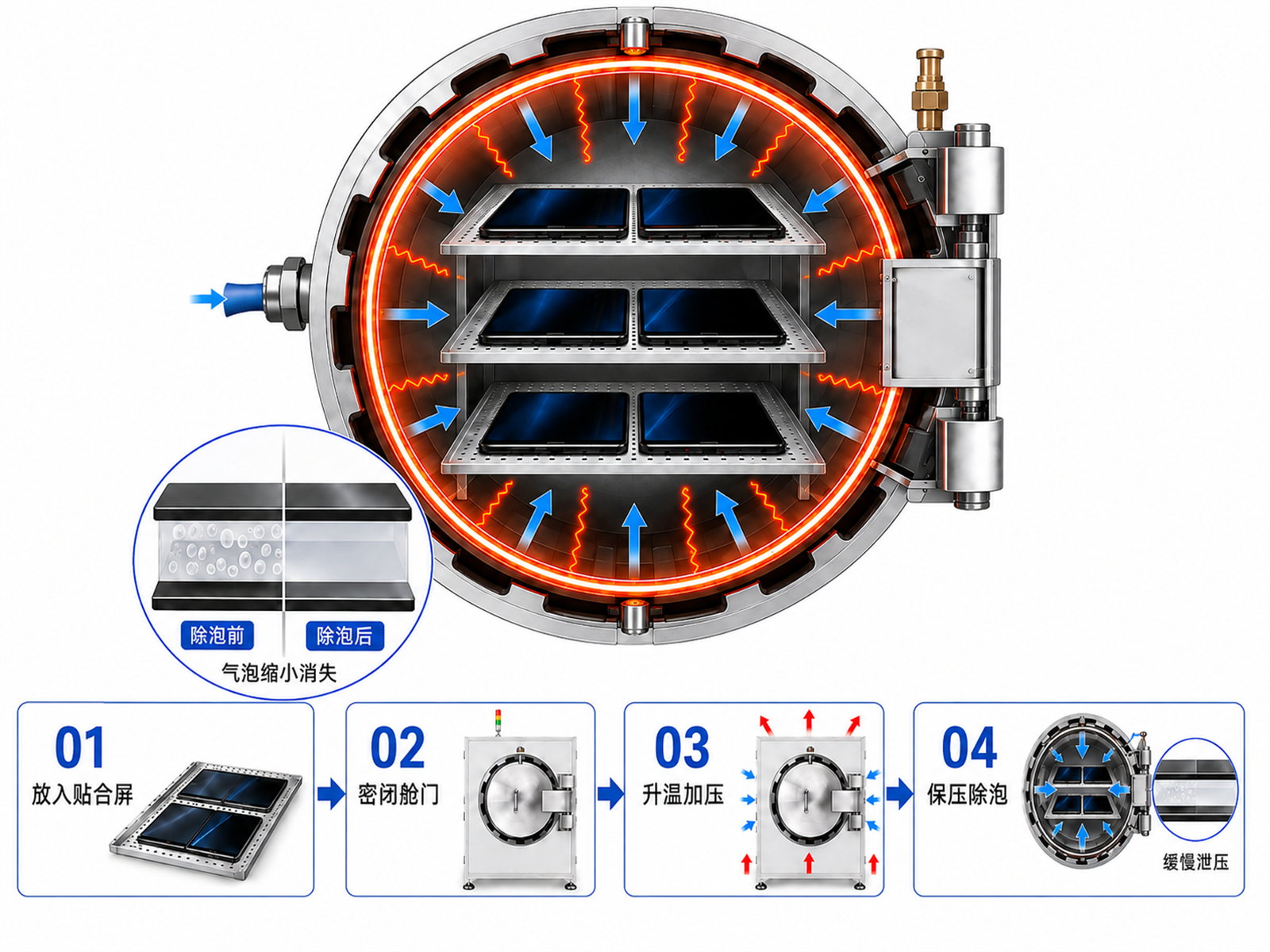 |
Technical Specifications
Complete Technical Specifications Overview, Customizable on Demand
| Equipment Model | SIE-RX6-900 |
| Chamber Dimensions | φ400×600mm (Cylindrical) |
| Effective Volume | Approx. 255L |
| Working Pressure | 0~0.8MPa (Standard), 0~2.5MPa (Optional) |
| Working Temperature | Room Temp~80°C (Standard), Room Temp~180°C (Optional) |
| Heating Method | Resistive Heating |
| Working Modes | A. Pressurize first then heat up B. Heat and pressurize simultaneously C. Heat up first then pressurize |
| Control Method | Microcomputer Control |
| Tank Material | S30408 Stainless Steel or Carbon Steel |
| Overall Dimensions (W×D×H) | Approx. 900×1200×1500mm (Subject to actual product) |
| Net Weight | 500 kg |
| Certifications | ISO9001, RoHS Compliant |
我们的合作伙伴
深受全球知名工业制造集群及前沿高校实验室信赖
FAQ 您关心的问题
为您解答关于产品性能及日常工艺选型中的常见疑问
-
真空脱泡搅拌机是什么?用于哪些行业?
真空脱泡搅拌机是在真空环境下同步完成搅拌与脱泡的设备,脱泡同时混料,避免二次气泡混入,常用于环氧树脂、硅胶、AB 胶等高粘度材料的混料脱泡处理,广泛应用于新能源电池、半导体封装、LED、电子灌封、胶粘剂等行业。
-
广州施诺斯主要生产哪些设备?
主要产品包括搅拌脱泡机、真空脱泡搅拌机、真空脱泡机、高压脱泡机、真空搅拌机、实验室均质机、三辊研磨机、三维混粉机,以及点胶机、分装机等配套设备和夹具、搅拌罐、针筒等辅品耗材。
-
源头厂家采购脱泡设备有什么优势?
源头厂家直供可省去中间环节,价格更透明,同时能提供参数定制、来料试机、工艺验证等服务,售后响应更直接。
-
搅拌脱泡机的工作原理?
施诺斯设备采用行星式混合原理:料罐在自转的同时绕公转轴公转,物料在罐内随之翻动混合,同时抽真空脱泡。整个过程设备不设搅拌桨,搅拌部件不接触物料,不会引入金属异物,混合均匀不分层。
-
为什么选择施诺斯?
施诺斯(SIENOX)是广州施诺斯科技股份有限公司旗下品牌,2014 年成立,专注脱泡机与搅拌机的研发与制造,团队自 2006 年起从事真空搅拌脱泡设备研发。设备采用非接触式设计,不设搅拌桨,行星式公转加自转运动辅以真空系统,高效除泡,混合均匀不分层。公司产品涵盖搅拌脱泡机、真空脱泡搅拌机、真空脱泡机、高压脱泡机、真空搅拌机、实验室均质机、三辊研磨机、三维混粉机,以及点胶机、分装机等配套设备和夹具、搅拌罐、针筒等辅品耗材,广泛应用于新能源、半导体、LED、电子灌封、胶粘剂、涂料、油墨等行业。通过 ISO9001、CE 认证,拥有 30 余项专利,服务富士康、比亚迪、清华大学等企业与科研院所。
Multi‑Model Specification Comparison Table
Compare Models in the Same Series for Accurate Selection
| Equipment Model | SIE-RX4-600 | SIE-RX6-900 | SIE-RX8-1200 |
| Chamber Dimensions | φ400×600mm | φ600×900mm | φ800×1200mm |
| Effective Volume | 75L | 255L | 600L |
| Pressure Range | 0~2.5MPa (Optional) | 0~2.5MPa (Optional) | 0~2.5MPa (Optional) |
| Temperature Range | Room Temp~180°C (Optional) | Room Temp~180°C (Optional) | Room Temp~180°C (Optional) |
| Pressure Accuracy | ±0.01MPa | ±0.01MPa | ±0.01MPa |
| Temperature Control Accuracy | ±1.0°C | ±1.0°C | ±1.0°C |
| Power Supply | 220V, 50/60Hz (110V US/Japan standard customizable) | 220V, 50/60Hz (110V US/Japan standard customizable) | 220V, 50/60Hz (110V US/Japan standard customizable) |
| Overall Dimensions (W×D×H) | 510 × 430 × 500 mm | 610 × 560 × 780 mm | 610 × 560 × 780 mm |
| Net Weight | 95 kg | 153 kg | 163 kg |
***The above are only typical models. We can provide customized solutions based on customer requirements.
Multi‑Industry Solutions
Covering stirring and debubbling applications of typical materials across six major industries
LCD Polarizer LaminationSmall‑size polarizer OCA optical adhesive, LCD glass substrate lamination adhesive |
Electronic Component EncapsulationComponent encapsulation adhesive, chip potting adhesive |
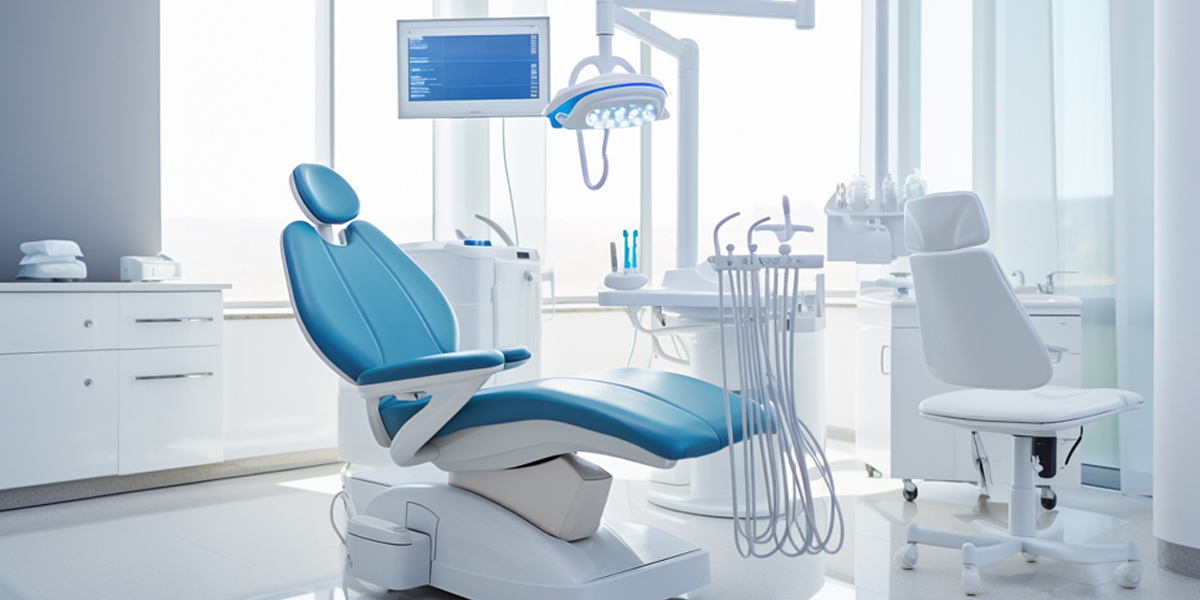
Medical DevicesMedical bonding adhesive, medical‑device lamination adhesive |
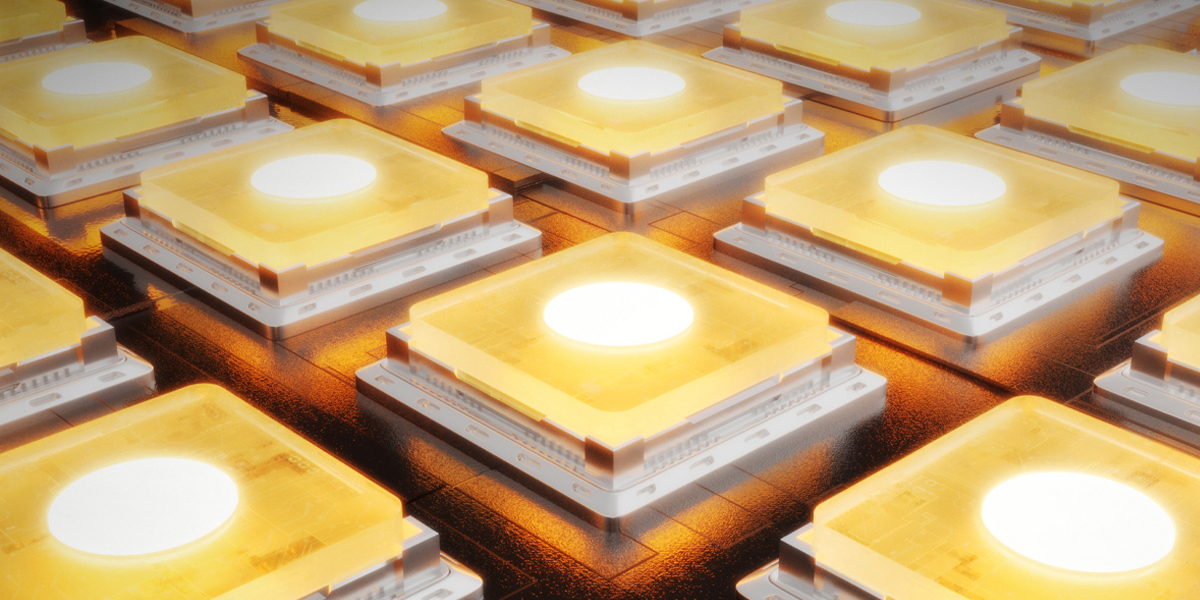
LED PackagingLED encapsulation adhesive, phosphor adhesive |
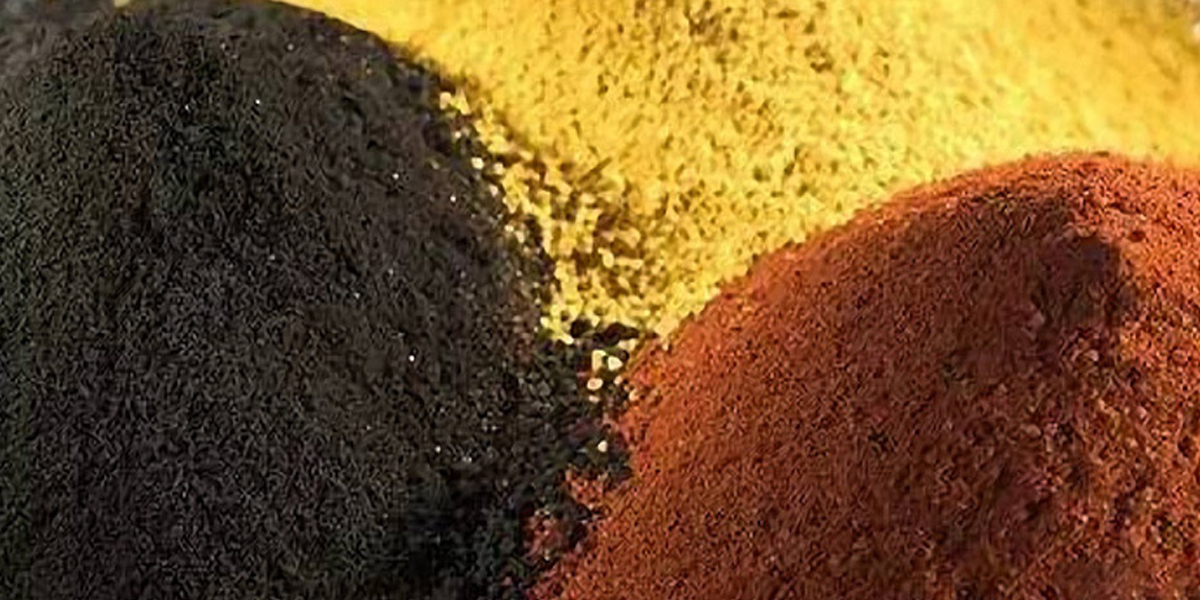
Fine ChemicalsFine chemical materials, nano‑powders |
New Energy MaterialsR&D samples of new‑energy materials, small‑batch battery slurries |



Comprehensive Equipment Operation Demo Videos
Gain intuitive, clear, dynamic insight into synchronous defoaming with planetary centrifugal force and high negative pressure.
Actual‑test Performance Demonstration
Measured Processing Results for Six Typical Materials
Slurries & Powders |
Adhesives |
Hydrogen‑Energy Materials |
Adhesives |
Substrates & Fillers |
Adhesive & Ceramic Powder |
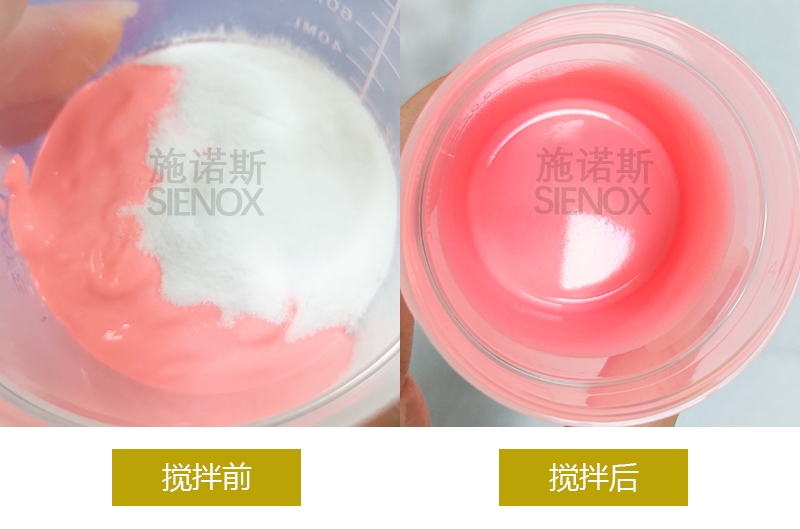
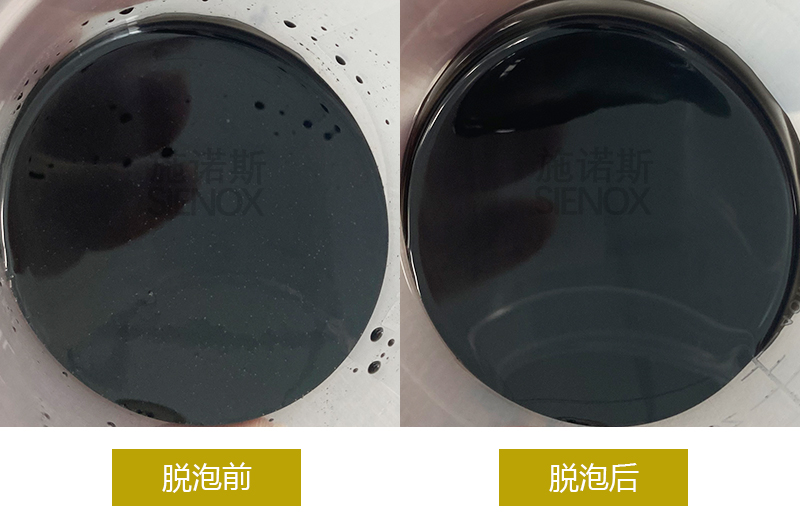
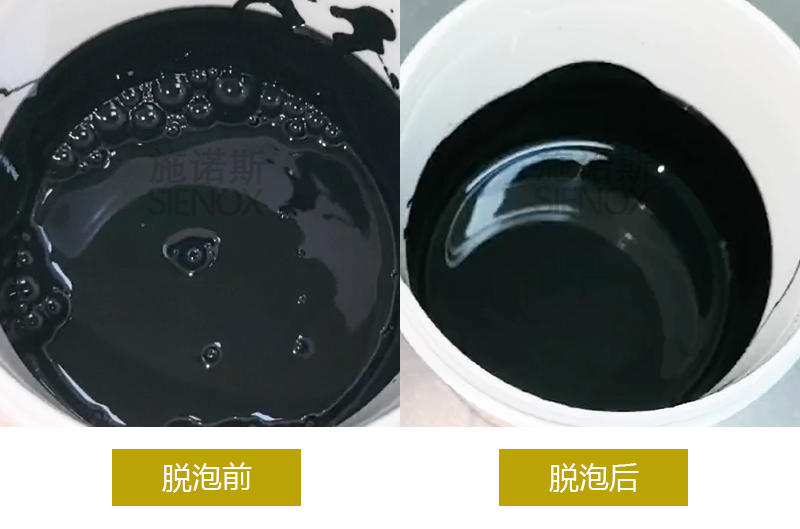
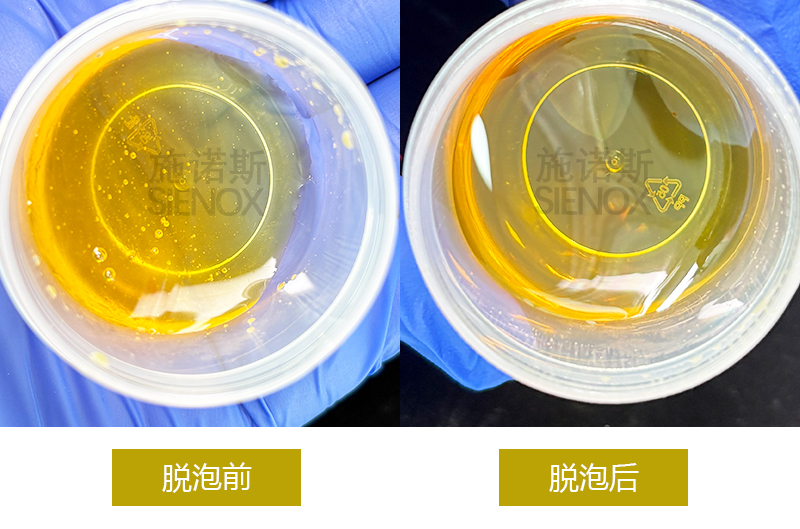
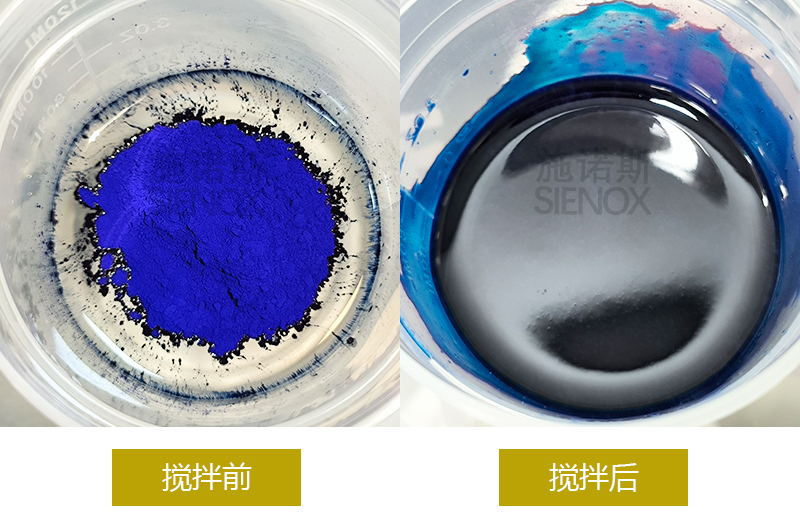
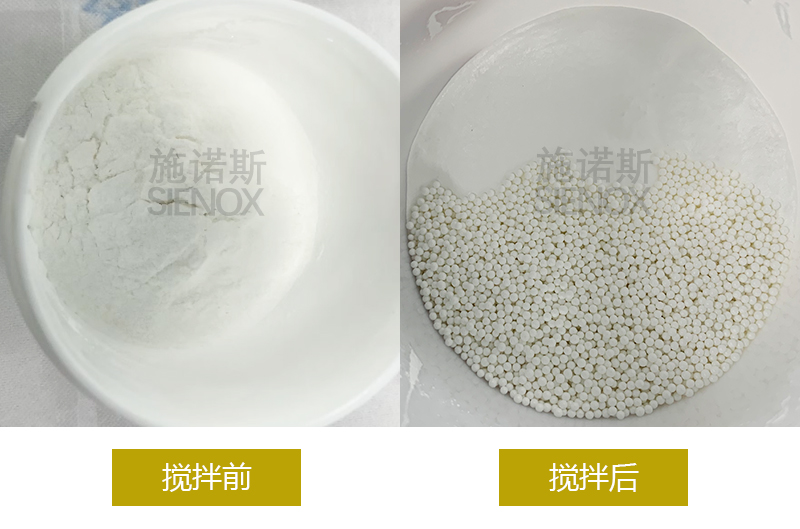
Actual‑test Effect Comparison
Comparison of Material Status Before and After Pressurized Debubbling
| Material Type | State Before Treatment | After Treatment by SIE-RX6-900 |
| Polarizer OCA Optical Adhesive | Many bubbles inside adhesive; uneven light transmission and mottling after lamination | Transparent adhesive without bubbles; uniform light transmission after lamination |
| LED Encapsulation Adhesive | Dense bubbles inside adhesive; accelerated LED light decay after encapsulation | Dense bubble-free adhesive; stable LED luminous efficiency and long service life |
| Fine Chemical Materials | Abundant internal bubbles and poor dispersion, affecting material performance | Uniform and dense material with qualified dispersion consistency |
* Internal laboratory test data. Actual improvement varies with material formulation. Contact sales for real customer cases.
Customer Delivery & Application Cases
Rooted in manufacturing frontlines, empowering benchmark production lines and key national research institutions across diverse industries.